
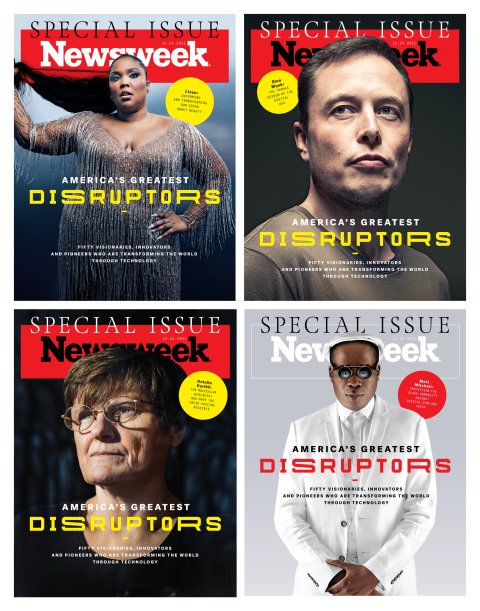
Technology:The Great Disruptor
Introduction
Remember when “disruption” was a bad thing? Like when your little brother barged into your room unannounced, scattering your carefully constructed Lego castle to the four winds? Well, in today’s world, disruption, especially the technological kind, is often seen as the engine of progress, the force that pushes us forward. But like that surprise Lego demolition, it can also feel… well, disruptive.
Technology’s pervasive influence is undeniable. It’s reshaped industries, redefined communication, and even altered the very fabric of our daily lives. But is this constant evolution purely beneficial? Or is it leaving a trail of challenges in its wake? The truth, as always, is complex. We’re living in an age where innovation happens at warp speed, and it’s vital to understand both the short-term jolts and the long-term ripples of this technological tidal wave. So, let’s dive in and explore how technology is disrupting our world – for better and sometimes, for maybe a little worse – and what we can do to navigate this brave new world.
The Short-Term Buzz & the Long-Term Echo
In the short term, the impact of technology is often exhilarating. Think about the instant gratification of online shopping, the convenience of mobile banking, or the sheer accessibility of information at our fingertips. These are the shiny, immediate benefits that we often focus on. But lurking beneath the surface are potential pitfalls.
For instance, automation, while boosting efficiency in many industries, is also leading to job displacement. Manufacturing, transportation, and even white-collar roles are increasingly being taken over by machines and algorithms. This creates immediate anxieties for workers who need to adapt to new skillsets or even entire career paths.
Furthermore, the rise of social media, while connecting us globally, has also contributed to concerns about mental health. The constant comparison, the echo chambers, and the relentless pressure to present a perfect online persona can take a toll on our well-being. In the short term, it manifests as anxiety and comparison. In the long term? We’re still figuring that out, but early signs point to potential issues with self-esteem and social interaction skills.
Looking at the long-term, the implications become even more profound. The erosion of privacy in the age of big data and surveillance capitalism is a critical concern. Companies track our online behavior, collect our personal information, and use algorithms to predict our preferences. This data can be used for targeted advertising, but it can also be used for more nefarious purposes, such as manipulating elections or discriminating against certain groups.
Another long-term challenge is the digital divide. While some of us are surfing the web on the latest gadgets, a significant portion of the population still lacks access to basic internet connectivity. This creates a gap in education, opportunities, and access to information, perpetuating inequality and hindering social mobility. The pandemic highlighted this digital divide starkly when schools and businesses shifted online. Those without access were left behind.
Navigating the Disruption: Practical Solutions for a Tech-Driven World
So, what can we do to navigate this technological disruption effectively? The good news is that the challenges are not insurmountable. With proactive strategies and a willingness to adapt, we can harness the power of technology while mitigating its potential downsides.
- Embrace Lifelong Learning:The most crucial skill in this era of rapid technological change is adaptability. We need to embrace lifelong learning and continuously update our skills to remain relevant in the job market.
- Practical Application:Platforms like Coursera, Udemy, and edX offer a wide range of online courses in fields like data science, software development, and digital marketing. Take advantage of these resources to acquire new skills and enhance your existing expertise. Many of these platforms offer courses for free, or at a reduced cost through scholarships and financial aid.
- Case Study:Consider Maria, a former factory worker who lost her job due to automation. She enrolled in an online coding bootcamp and, within six months, landed a job as a junior web developer. Her willingness to learn new skills transformed her career path.
- Foster Digital Literacy & Critical Thinking:In an age of information overload, it’s essential to develop digital literacy and critical thinking skills. We need to be able to evaluate information critically, identify misinformation, and understand the ethical implications of technology.
- Practical Application:Schools and universities should integrate digital literacy into their curricula. Encourage children to question the sources of information they encounter online and teach them how to identify fake news. Participate in workshops and training sessions that focus on media literacy and critical thinking.
- Case Study:A local library implemented a series of workshops on digital literacy for senior citizens. Participants learned how to identify online scams, protect their personal information, and navigate social media safely.
- Advocate for Ethical Technology & Data Privacy:We need to advocate for ethical technology and data privacy regulations that protect our rights and prevent the misuse of personal information.
- Practical Application:Support organizations that are fighting for data privacy rights and advocating for stronger regulations on technology companies. Contact your elected officials and voice your concerns about the ethical implications of technology. Use privacy-focused search engines and browsers to minimize data tracking.
- Case Study:The European Union’s General Data Protection Regulation (GDPR) is a landmark example of data privacy legislation. It gives individuals more control over their personal data and holds companies accountable for how they collect and use it.
- Promote Inclusive Technology & Bridging the Digital Divide:We need to ensure that technology benefits everyone, not just a select few. We need to bridge the digital divide and provide access to technology for underserved communities.
- Practical Application:Support initiatives that provide affordable internet access and digital literacy training to low-income communities. Volunteer your time to teach digital skills to those who lack access. Donate used computers and devices to organizations that refurbish them for distribution to those in need.
- Case Study:A non-profit organization partnered with a local community center to provide free computer classes to residents of a low-income neighborhood. The program helped participants gain valuable skills that improved their job prospects and access to online services.
- Cultivate Human Connection & Mindfulness:In a world dominated by technology, it’s essential to cultivate human connection and mindfulness. We need to disconnect from our devices and engage in meaningful interactions with others.
- Practical Application:Set aside time each day to disconnect from your devices and engage in activities that promote well-being, such as spending time with loved ones, exercising, meditating, or pursuing hobbies. Be mindful of your social media consumption and limit your exposure to content that triggers negative emotions.
- Case Study:A company implemented a “digital detox” program that encouraged employees to take regular breaks from their devices and engage in team-building activities. The program resulted in improved employee morale, increased productivity, and reduced stress levels.
Alternative Approaches: A Toolkit for the Future
Beyond these core solutions, here are some alternative approaches to consider:
- Universal Basic Income (UBI):As automation continues to displace workers, UBI could provide a safety net, ensuring everyone has a basic standard of living.
- Skills-Based Hiring:Focus on skills and competencies rather than traditional degrees. This opens doors for individuals from diverse backgrounds and with non-traditional learning paths.
- Cooperative Ownership Models:Instead of centralized tech giants, explore cooperative ownership models where workers and users have a stake in the company’s success and governance.
- Technological Subsidies for Small Businesses:Help small businesses adopt new technologies by providing subsidies and training to stay competitive in the digital economy.
The Future is Ours to Shape
Technology, the great disruptor, isn’t inherently good or bad. It’s a tool, and like any tool, its impact depends on how we use it. The challenges are real, but so are the opportunities. By embracing lifelong learning, fostering digital literacy, advocating for ethical technology, promoting inclusive access, and cultivating human connection, we can navigate this disruption effectively.
The future isn’t something that happens to us. It’s something we create. By taking proactive steps today, we can shape a future where technology empowers us all, rather than exacerbating existing inequalities and anxieties. So, take a deep breath, embrace the change, and let’s build a brighter, more equitable future together – a future where technology serves humanity, not the other way around. Let’s get started.