
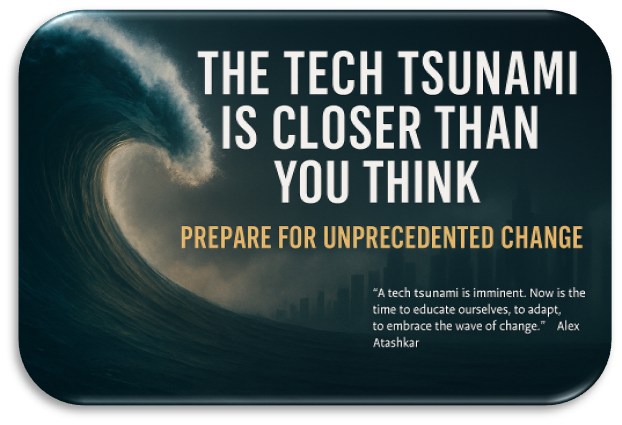
Tech Tsunami: What’s Coming Will Change Everything
Introduction
Hold on tight. We’re standing on the precipice of a tech tsunami, a convergence of innovations so powerful, so interconnected, that they’re poised to reshape… well, just about everything. Forget incremental improvements; we’re talking seismic shifts in how we live, work, and interact with the world. Sounds a bit dramatic? Maybe. But trust me, the waves are already forming.
This isn’t just about faster phones or fancier gadgets. This is about fundamental transformations, and understanding them is no longer optional; it’s essential for navigating the future. So, grab your surfboard (metaphorically speaking, of course!), and let’s dive in.
The Short-Term Impact: Disruption is Already Here
The leading edge of this tech tsunami is already crashing on our shores. We’re seeing it in several key areas:
- AI Everywhere:Artificial intelligence is no longer a futuristic fantasy. It’s in our smartphones, our search engines, and increasingly, in the very fabric of our businesses. Customer service chatbots, AI-powered marketing tools, and predictive analytics are becoming commonplace. This means increased efficiency and personalized experiences, but also raises questions about job displacement and the ethical implications of AI bias.
- Example:Consider Grammarly, an AI-powered writing assistant. It’s not just catching typos; it’s suggesting improvements to tone and clarity, effectively changing the way we communicate in professional settings.
- The Rise of Remote Everything:The pandemic accelerated the trend toward remote work, but it’s more than just a temporary fix. The technology to support distributed teams—from sophisticated video conferencing platforms to collaborative project management tools—has matured rapidly. This unlocks access to global talent pools and offers greater flexibility for workers, but it also necessitates new approaches to team building, communication, and cybersecurity.
- Example:Companies like GitLab, which have always been fully remote, demonstrate how a distributed workforce can thrive with the right processes and technology.
- The Metaverse Beckons:Whether you think it’s the next big thing or a passing fad, the metaverse – a persistent, shared digital realm – is gaining traction. Augmented reality (AR) and virtual reality (VR) technologies are improving, offering immersive experiences for gaming, training, and even social interaction. While mainstream adoption is still some years away, businesses are experimenting with metaverse applications for marketing, employee onboarding, and virtual product demos.
- Example:Nike’s “Nikeland” in Roblox, where users can create and play games with Nike-branded virtual products, is a prime example of a company exploring the metaverse for brand engagement.
The Long-Term Impact: A Radically Different World
Looking further down the line, the tech tsunami promises even more profound changes:
- The Hyper-Personalized World:AI, combined with vast amounts of data, will enable unprecedented levels of personalization. From customized education plans to tailored healthcare treatments, our lives will be increasingly shaped by algorithms designed to meet our individual needs and preferences. The challenge will be ensuring that this personalization doesn’t lead to filter bubbles or erode our privacy.
- The Automation Revolution:Automation, driven by robotics and AI, will continue to transform industries, automating not just manual tasks but also cognitive ones. This will lead to increased productivity and efficiency, but it also raises concerns about widespread job losses and the need for workforce retraining.
- The Decentralized Web (Web3):Blockchain technology and cryptocurrencies are the foundations of Web3, a vision of a more decentralized and user-controlled internet. This promises greater data ownership, transparency, and security, but it also presents challenges related to regulation, scalability, and user adoption.
- The BioTech Boom:Advancements in biotechnology, driven by technologies like CRISPR gene editing and personalized medicine, will revolutionize healthcare and potentially extend human lifespans. This raises ethical questions about genetic engineering, access to advanced treatments, and the societal implications of longer lifespans.
Riding the Wave: Practical Solutions for Navigating the Tech Tsunami
So, how do we navigate this tech tsunami and ensure that we benefit from these changes rather than being overwhelmed by them? Here are some practical solutions:
- Embrace Lifelong Learning:The skills needed to thrive in the future are constantly evolving. Invest in continuous learning and development, focusing on skills that are difficult to automate, such as critical thinking, creativity, and emotional intelligence.
- Actionable Tip:Dedicate a specific amount of time each week to learning new skills, whether it’s through online courses, workshops, or reading industry publications.
- Adapt to Change:Be flexible and adaptable in your career and business strategies. Be willing to experiment with new technologies and approaches, and don’t be afraid to pivot when necessary.
- Case Study:Netflix started as a DVD rental service but successfully adapted to the streaming era, becoming a dominant player in the entertainment industry.
- Focus on Human Connection:In an increasingly digital world, human connection is more important than ever. Build strong relationships with colleagues, customers, and partners. Focus on empathy, communication, and collaboration.
- Example:Companies that prioritize employee well-being and create a strong sense of community are more likely to attract and retain talent in the age of remote work.
- Address the Ethical Implications:Be mindful of the ethical implications of new technologies. Consider the impact on privacy, fairness, and social equity. Advocate for responsible innovation and regulation.
- Actionable Tip:Before implementing new AI-powered systems, conduct thorough bias audits to ensure they are fair and equitable.
- Embrace Hybrid Approaches:Don’t feel pressured to fully embrace every new technology or trend. Instead, focus on finding hybrid approaches that combine the best of both worlds – the efficiency and scalability of technology with the human touch and personalized experience.
- Example:Many retailers are combining online and offline shopping experiences, allowing customers to order online and pick up in-store or offering personalized recommendations based on past purchases.
Alternative Approaches: Choose Your Own Adventure
Not every solution fits every situation. Here are some alternative approaches to consider:
- The Pragmatist:Focus on adopting technologies that offer immediate, tangible benefits. Prioritize efficiency gains and cost savings.
- The Innovator:Embrace experimentation and be willing to take risks. Invest in cutting-edge technologies and explore new business models.
- The Socially Conscious:Prioritize ethical considerations and social impact. Focus on technologies that promote sustainability, inclusivity, and social justice.
- The Community Builder:Build strong networks and communities to share knowledge, resources, and support. Collaborate with others to navigate the tech tsunami together.
Conclusion
The tech tsunami is coming, and it will change everything. But this is not a cause for fear or despair. It’s an opportunity to create a better future, a future where technology empowers us, enriches our lives, and solves some of the world’s most pressing challenges.
The key is to be proactive, informed, and adaptable. Embrace lifelong learning, focus on human connection, and be mindful of the ethical implications of new technologies.
The future is not something that happens to us; it’s something we create. Let’s ride this wave together and build a future that is both technologically advanced and deeply human. The time to act is now.