
“`html
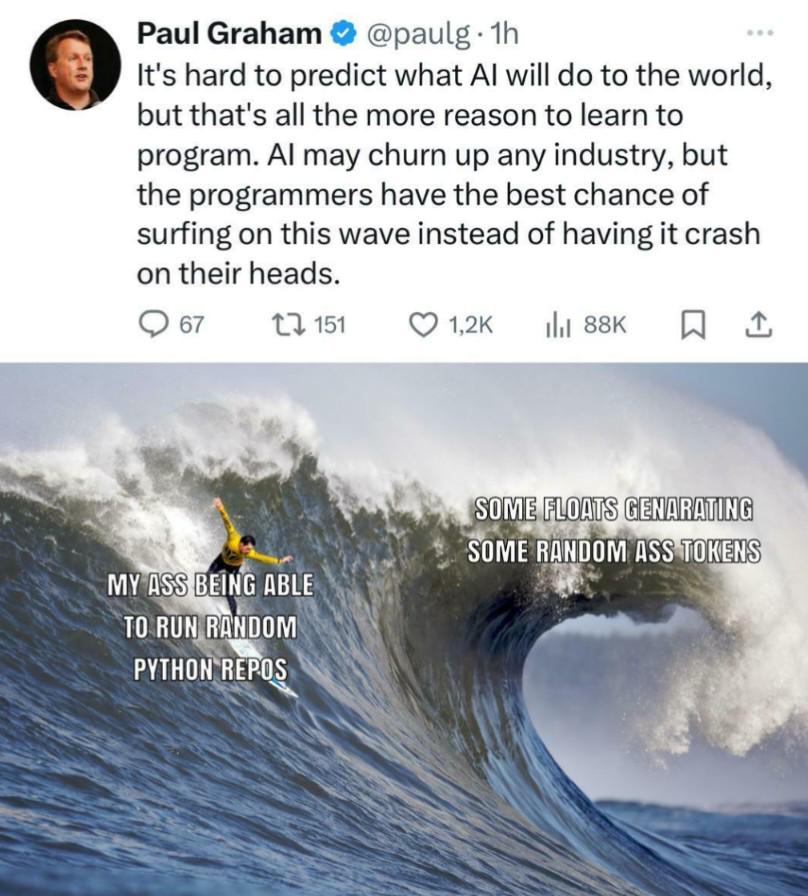
Tech’s Tsunami: Are You Ready to Drown?
Okay, let’s be real. The tech world moves at warp speed. One minute you’re comfortable with your processes, the next you’re bombarded with a new app, a disruptive platform, or a revolutionary AI that promises to make your job obsolete. It feels a bit like standing on the beach, watching a massive wave build on the horizon – a tech tsunami, if you will. Are you ready to ride the wave, or are you about to get washed away?
This isn’t about fear-mongering. It’s about facing the reality of rapid technological advancements and understanding how they’re impacting everything from your daily workflow to the very foundations of entire industries. Whether you’re a seasoned CEO or fresh out of college, this technological shift demands attention. So, let’s dive in and see how we can not only survive this tsunami but thrive in its wake.
The Short-Term Splash: Immediate Impacts You’re Already Feeling
Let’s start with the immediate and obvious. You’re probably already feeling the pressure.
- The Skills Gap: Think about the buzzwords you hear constantly: AI, machine learning, blockchain, data analytics. These aren’t just trendy terms; they represent real, in-demand skills. The problem? There aren’t enough people who possess them. This leads to increased competition for talent, higher salaries, and a constant pressure to upskill.
- Automation Anxiety: Robots taking over our jobs has been a science fiction trope for decades, but now it’s becoming a tangible concern. Automation is streamlining processes, boosting efficiency, and, yes, displacing some workers. From customer service chatbots to automated factory lines, the landscape of work is changing rapidly.
- The Digital Divide Deepens: While some are racing ahead, others are getting left behind. The digital divide – the gap between those who have access to technology and those who don’t – is widening. This creates inequalities in access to education, employment, and even basic services.
- Information Overload: We’re drowning in data, and it’s becoming harder than ever to separate signal from noise. Knowing how to filter information, identify credible sources, and use data effectively is crucial.
The Long-Term Undertow: The Future is Closer Than You Think
The short-term impacts are significant, but the long-term implications are even more profound. We’re talking about a complete reshaping of the world as we know it.
- The Future of Work is Fluid: The traditional 9-to-5 job is becoming increasingly obsolete. We’re moving towards a gig economy, where skills are rented on demand, and careers are more fluid and project-based. This requires adaptability, entrepreneurial spirit, and a willingness to constantly learn new skills.
- AI-Powered Everything: Artificial intelligence will permeate every aspect of our lives, from healthcare to transportation to entertainment. Understanding the ethical implications of AI, ensuring fairness and transparency, and navigating its potential biases will be critical.
- The Metaverse and Beyond: Virtual and augmented reality are no longer just games; they’re creating immersive experiences that are transforming how we learn, work, and connect. We need to understand the potential opportunities and risks of these new digital realms.
- Data Security and Privacy Concerns: As technology becomes more integrated into our lives, data security and privacy become paramount. Protecting personal information, preventing cyberattacks, and ensuring ethical data practices are essential.
Riding the Wave: Practical Solutions to Stay Afloat
Okay, so we’ve established that the tech tsunami is real and potentially overwhelming. But don’t despair! There are concrete steps you can take to prepare and even thrive in this new environment.
Solution 1: Embrace Lifelong Learning
This isn’t just about taking a few online courses. It’s about cultivating a mindset of continuous learning.
- Identify Skill Gaps: Honestly assess your current skills and identify areas where you need to improve. What are the most in-demand skills in your field? Where are the gaps in your team’s capabilities?
- Utilize Online Learning Platforms: Platforms like Coursera, Udemy, edX, and LinkedIn Learning offer a vast range of courses and certifications.
- Attend Workshops and Conferences: Immerse yourself in new trends and technologies by attending industry events.
- Mentorship and Networking: Connect with experienced professionals who can guide you and share their knowledge.
Example: A marketing professional realizes that they need to upskill in data analytics to better understand campaign performance. They enroll in a data analytics course on Coursera, attend a marketing technology conference, and seek out a mentor who is an expert in data-driven marketing.
Solution 2: Develop Adaptability and Resilience
Change is the only constant in the tech world. Cultivate the ability to adapt to new situations, learn quickly, and bounce back from setbacks.
- Embrace Experimentation: Don’t be afraid to try new things and experiment with different approaches.
- Develop Problem-Solving Skills: Focus on developing your critical thinking and problem-solving abilities.
- Build a Growth Mindset: Believe that your abilities can be developed through dedication and hard work.
- Cultivate Emotional Intelligence: Understand your own emotions and the emotions of others, which is crucial for effective collaboration and leadership.
Example: A software developer is assigned to a project that uses a new programming language they’ve never used before. Instead of feeling overwhelmed, they embrace the challenge, dedicate time to learning the new language, and seek help from colleagues who have experience with it.
Solution 3: Prioritize Data Literacy
In a world drowning in data, understanding how to interpret, analyze, and use data effectively is essential.
- Learn Basic Statistics: Understanding basic statistical concepts is crucial for interpreting data accurately.
- Master Data Visualization Tools: Tools like Tableau, Power BI, and Google Data Studio can help you visualize data and communicate insights effectively.
- Focus on Data Storytelling: Learn how to tell compelling stories with data to influence decisions and drive action.
- Develop Data Ethics Awareness: Understand the ethical implications of data collection, analysis, and use.
Example: A human resources manager uses data analytics to identify patterns in employee turnover. They then use this information to develop strategies for improving employee retention and creating a more positive work environment.
Solution 4: Build a Strong Network
Surround yourself with people who can support you, challenge you, and help you grow.
- Attend Industry Events: Connect with other professionals in your field.
- Join Online Communities: Participate in online forums and groups related to your interests.
- Seek out Mentors and Advisors: Connect with experienced professionals who can provide guidance and support.
- Build Relationships with People Outside Your Comfort Zone: Connect with people from different backgrounds and with different perspectives.
Example: A small business owner joins a local business networking group and connects with other entrepreneurs. They share their experiences, learn from each other, and support each other’s businesses.
Solution 5: Don’t Be Afraid to Outsource
You can’t be an expert in everything. Identify areas where you can outsource tasks or projects to specialists.
- Identify Your Core Competencies: Focus on what you do best and outsource the rest.
- Research and Vet Potential Partners: Choose reputable and reliable outsourcing partners.
- Establish Clear Communication Channels: Ensure clear and consistent communication with your outsourcing partners.
- Manage Outsourcing Relationships Effectively: Monitor performance and provide feedback to your outsourcing partners.
Example: A non-profit organization outsources its website development and maintenance to a specialized IT company. This allows the organization to focus on its core mission while ensuring that its website is up-to-date and secure.
The Future is Bright (If You’re Prepared!)
The tech tsunami is undoubtedly a challenge, but it’s also an incredible opportunity. By embracing lifelong learning, developing adaptability, prioritizing data literacy, building a strong network, and not being afraid to outsource, you can not only survive this wave but also ride it to success.
Remember, the future isn’t something that happens to you; it’s something you create. So, take action, embrace the change, and get ready to thrive in the exciting world of tomorrow. This isn’t about drowning; it’s about learning to surf. Now, go grab your board!
“`