
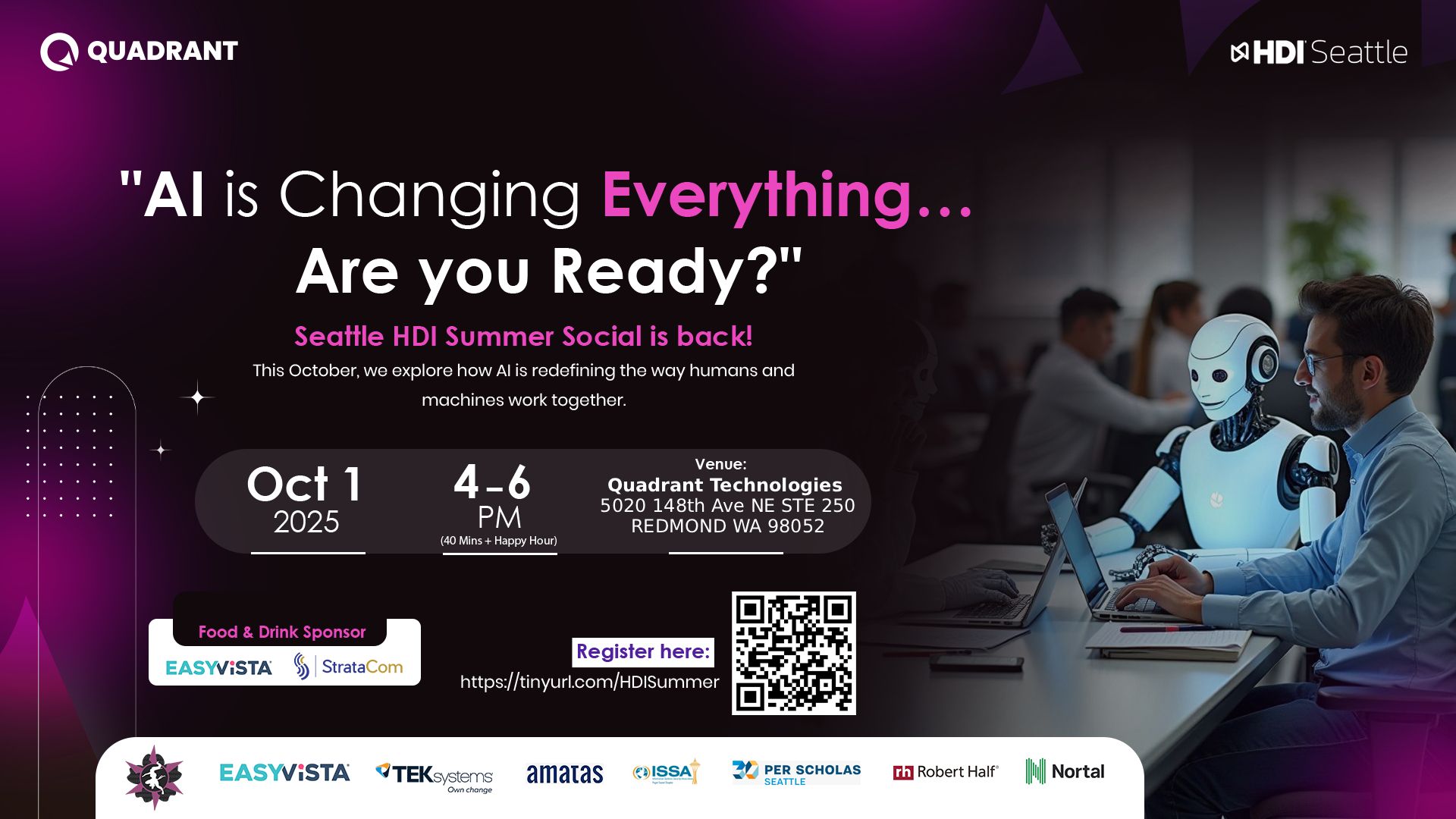
Tech’s Tectonic Shift: Are You Ready?
Introduction
Remember that childhood game of musical chairs? The music’s playing, everyone’s dancing, and then – BAM! – it stops. Suddenly, the scramble is on to secure a seat. Well, folks, the tech landscape is in a similar state of flux. The music hasn’t just stopped; it’s been replaced by the rumbling sounds of a tectonic shift. The question is, are you ready to grab a chair, or are you going to be left standing when the dust settles?
We’re not talking about a minor update or a slightly faster processor. This is a fundamental change reshaping industries, demanding new skills, and forcing businesses to rethink everything. From the relentless rise of AI to the evolving metaverse, the pace of technological advancement is accelerating, and the impact is being felt across every sector.
The Short-Term Shocks and Long-Term Tremors
In the short term, this shift is causing a bit of whiplash. Companies are scrambling to adopt AI solutions, sometimes without a clear strategy, leading to wasted investments and frustrated employees. Job descriptions are changing, demanding expertise in areas that barely existed a year ago. And let’s be honest, keeping up with the latest trends feels like trying to drink from a firehose.
Think about the marketing industry. Just a few years ago, SEO was all about keyword stuffing and backlinks. Now, it’s about creating authentic, engaging content that resonates with AI algorithms and human readers alike. Marketers are having to learn new skills, from prompt engineering to AI-powered analytics, just to stay relevant. Those who don’t adapt risk becoming obsolete.
But the long-term implications are far more profound. We’re talking about a fundamental restructuring of the global economy. Automation and AI are poised to disrupt traditional industries, leading to job displacement in some areas while creating entirely new opportunities in others. The skills gap is widening, threatening to exacerbate inequality and create a two-tiered workforce.
Consider the manufacturing sector. While robots have been used in factories for decades, AI is now taking automation to a whole new level. Machines can learn, adapt, and even make decisions without human intervention. This could lead to increased efficiency and lower costs, but it also means fewer jobs for human workers. The challenge is to retrain and reskill workers for the jobs of the future, ensuring that they’re not left behind in the wake of technological progress.
Finding Your Footing: Practical Solutions for Navigating the Shift
So, what can you do to navigate this tectonic shift and secure your place in the new tech landscape? Here are a few practical solutions to consider:
- Embrace Lifelong Learning: The days of learning a skill once and riding it for your entire career are long gone. The key is to become a lifelong learner, constantly seeking out new knowledge and skills. Take online courses, attend workshops, read industry publications, and network with experts. The more you learn, the better equipped you’ll be to adapt to change.
- Example: Coursera and edX offer a wide range of online courses on topics such as AI, machine learning, data science, and cloud computing. These platforms provide affordable and accessible learning opportunities for individuals looking to upskill or reskill.
- Develop “Power Skills”: While technical skills are important, don’t underestimate the value of soft skills, or what some are calling “power skills”. These include critical thinking, problem-solving, communication, collaboration, and adaptability. These skills are essential for working in a rapidly changing environment and are less likely to be automated.
- Example: A software engineer who can not only write code but also effectively communicate with clients, collaborate with team members, and adapt to changing project requirements will be far more valuable than one who only excels at coding.
- Experiment with AI Tools: Don’t be afraid to experiment with AI tools and technologies. Try out ChatGPT, Google Bard, or other AI-powered platforms. See how they can be used to automate tasks, improve efficiency, and generate new ideas. The more you experiment, the better you’ll understand the potential and limitations of AI.
- Example: A small business owner could use AI-powered marketing tools to automate social media posting, create email campaigns, and analyze customer data. This can free up time and resources, allowing them to focus on other aspects of their business.
- Network and Collaborate: Connect with other professionals in your industry, attend industry events, and join online communities. Networking and collaboration can help you stay informed about the latest trends, learn from others, and identify new opportunities.
- Example: A graphic designer could join an online community of designers to share their work, get feedback, and learn about new design trends. This can help them improve their skills and stay ahead of the competition.
- Focus on Niche Expertise: Instead of trying to be a jack-of-all-trades, consider focusing on a specific niche within the tech landscape. This could be a particular technology, industry, or skill set. By becoming an expert in a niche area, you can differentiate yourself from the competition and increase your value to employers.
- Example: A data scientist could specialize in natural language processing (NLP) for the healthcare industry. This would allow them to develop in-depth knowledge and expertise in a specific area, making them highly sought after by healthcare organizations.
Choosing Your Path: Alternative Approaches
Not all solutions are one-size-fits-all. Here are a few alternative approaches depending on your individual circumstances:
- The Entrepreneurial Approach: If you’re feeling ambitious, consider starting your own business or freelancing. This allows you to be your own boss, set your own hours, and pursue your passions. However, it also requires a lot of hard work, dedication, and risk-taking.
- The Intrapreneurial Approach: If you’re not ready to leave your current job, consider becoming an “intrapreneur” – an employee who acts like an entrepreneur within their organization. This involves identifying new opportunities, developing innovative solutions, and taking initiative.
- The Collaborative Approach: Partner with other professionals to create a synergistic team. Combine your skills and expertise to tackle complex challenges and create innovative solutions together.
Don’t Just Survive, Thrive!
The tech landscape is undoubtedly undergoing a profound transformation. But instead of viewing this as a threat, see it as an opportunity. By embracing lifelong learning, developing essential skills, experimenting with new technologies, and focusing on niche expertise, you can not only survive but thrive in the new tech landscape.
The tectonic plates are shifting, creating new mountains to climb and valleys to explore. It’s time to lace up your boots, grab your map, and embark on this exciting journey. The future of tech is being written right now, and you have the power to be a part of it. So, are you ready?