
“`html
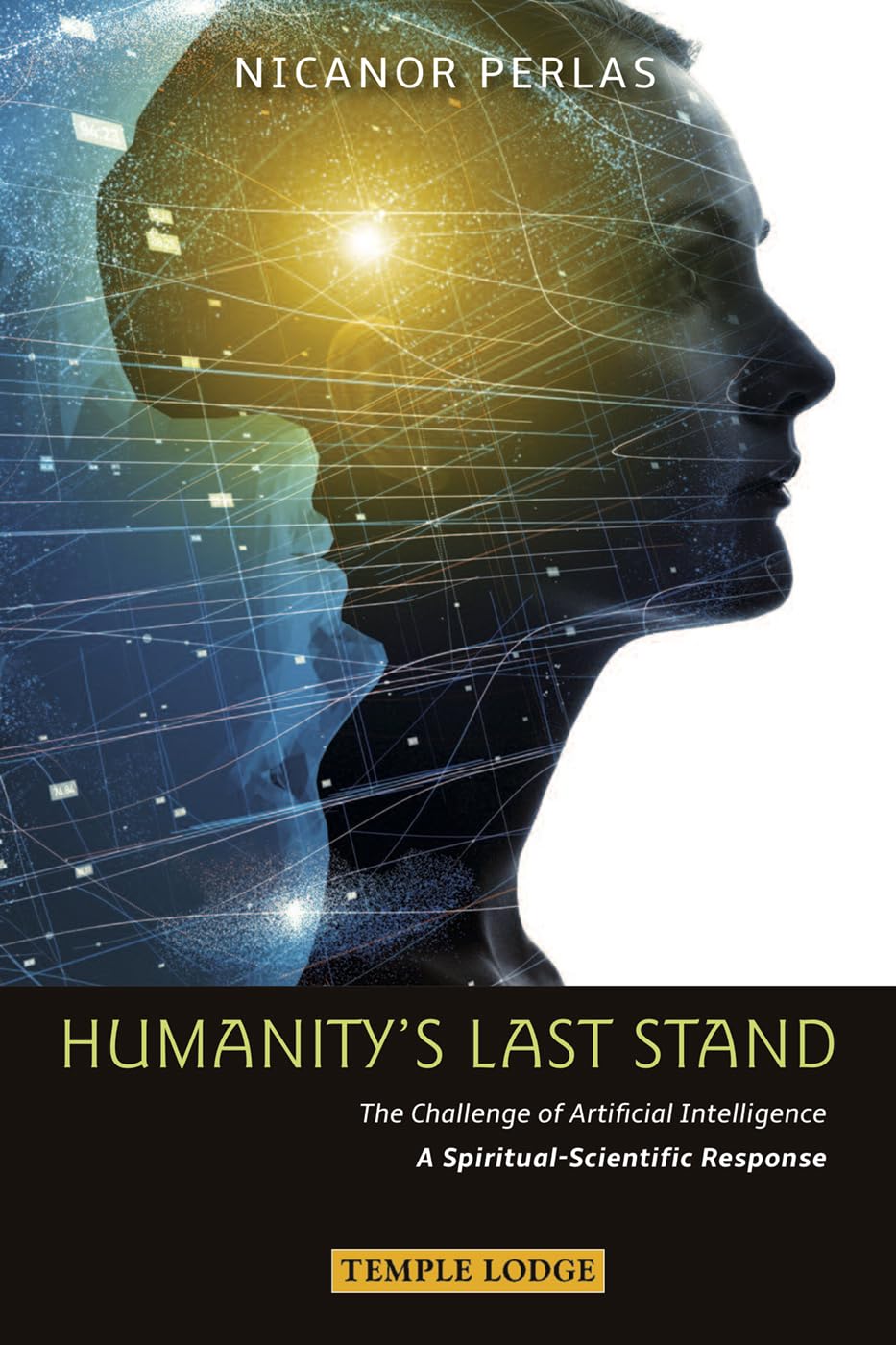
Tech’s Reckoning: Humanity’s Last Stand?
Introduction
Okay,let’s be real for a second.We’re all hooked.Glued to our screens,scrolling endlessly,living increasingly curated lives online.Technology,which promised to connect us,to liberate us,is starting to feel… different.It’s less about connection and more about algorithms,less about freedom and more about filter bubbles.Are we staring down the barrel of a digital dystopia?Is this Tech’s Reckoning,and is it Humanity’s Last Stand?
Maybe that sounds a little dramatic,but stay with me.It’s not about a robot uprising or a Skynet scenario.It’s about the subtle,insidious ways technology is reshaping our minds,our societies,and our very future.
The Short-Term Pain: Attention Deficit and Echo Chambers
In the short term,the impact is already visible.Think about your last conversation.Were you truly present,or were you fighting the urge to check your phone?Our attention spans are shrinking faster than a wool sweater in a hot dryer.We’re bombarded with information,but rarely do we engage with it critically.We skim headlines,jump between apps,and exist in a constant state of partial attention.
Then there’s the echo chamber effect.Algorithms curate our online experiences,feeding us content that confirms our existing beliefs.This creates filter bubbles,where we’re only exposed to perspectives that reinforce our own.We become less tolerant of dissenting opinions,more polarized,and less capable of engaging in meaningful dialogue.
Remember the 2016 US Presidential election?The Cambridge Analytica scandal exposed how targeted advertising and misinformation campaigns,fueled by social media algorithms,can influence public opinion on a massive scale.This is a stark reminder that the tools we use to connect can also be weaponized to divide.
The Long Game: Cognitive Decline and Societal Fragmentation
Looking further down the line,the implications are even more concerning.Constant exposure to screens,especially during childhood,can impact cognitive development.Studies suggest a correlation between excessive screen time and reduced creativity,problem-solving skills,and social-emotional intelligence.We risk raising a generation that struggles with critical thinking,empathy,and genuine human connection.
Furthermore,the erosion of trust in institutions and the increasing polarization of society pose a significant threat to our collective well-being.When we’re constantly bombarded with conflicting information and surrounded by echo chambers,it becomes increasingly difficult to discern truth from fiction.This can lead to widespread distrust,social unrest,and even the collapse of democratic institutions.
Imagine a future where individuals are so entrenched in their own digital realities that they become incapable of understanding or empathizing with those who hold different views.A future where social cohesion crumbles,and society fragments into isolated tribes.That’s the potential long-term consequence of unchecked technological advancement.
So, What Can We Do? Practical Solutions for a Tech-Balanced Future
Okay,enough doom and gloom.The good news is,it’s not too late.We can reclaim our agency and steer technology towards a more human-centered future.Here are some practical steps we can take:
- Cultivate Digital Minimalism:
Think of this as decluttering your digital life.Be intentional about the apps and services you use.Unfollow accounts that drain your energy,unsubscribe from unnecessary emails,and turn off notifications that constantly interrupt your focus.
- Example:Start with a “digital detox” – a weekend without screens.Notice how you feel,what you do with your time,and what you miss (or don’t miss) about being connected.Use this experience to identify areas where you can reduce your digital consumption.
- Prioritize Real-World Connections:
Make a conscious effort to spend more time engaging in face-to-face interactions with friends,family,and community members.Join a book club,volunteer for a cause you care about,or simply strike up a conversation with a stranger.
- Case Study:Buffer,a social media management company,encourages its employees to participate in local community events and offers paid volunteer time.This fosters a sense of connection and purpose beyond the digital realm.
- Develop Media Literacy:
Learn to critically evaluate the information you consume online.Be aware of the biases and algorithms that shape your online experience.Seek out diverse perspectives and challenge your own assumptions.
- Practical Tip:Before sharing an article or post on social media,take a moment to verify its source and accuracy.Use fact-checking websites like Snopes or Politifact to debunk misinformation.
- Advocate for Ethical Tech Design:
Support companies and initiatives that prioritize user well-being over profit maximization.Demand greater transparency and accountability from tech companies regarding their algorithms and data collection practices.
- Example:The Center for Humane Technology advocates for redesigning technology to align with our values and promote mental health.They offer resources and workshops to help individuals and organizations create more ethical and humane tech products.
- Set Boundaries and Practice Self-Regulation:
Establish clear boundaries between your digital and real lives.Set specific times for checking email and social media.Avoid using screens before bed and create tech-free zones in your home.
- Alternative Approach:Use apps like Freedom or Forest to block distracting websites and apps during work or study sessions.This can help you stay focused and improve your productivity.
- Embrace Analog Activities:
Rediscover the joy of activities that don’t involve screens.Read a book,go for a walk in nature,play a musical instrument,or engage in a creative hobby.These activities can help you reconnect with yourself and the world around you.
- Personal Experiment:Try spending 30 minutes each day engaged in an analog activity.Notice how it affects your mood,stress levels,and overall sense of well-being.
The Path Forward: A Call to Action
Tech’s reckoning isn’t a preordained disaster.It’s a challenge,an opportunity to reshape our relationship with technology and reclaim our humanity.It requires conscious effort,a willingness to break free from ingrained habits,and a commitment to creating a more balanced and fulfilling life.
The solutions outlined above are just a starting point.The key is to experiment,find what works best for you,and adapt your approach as needed.
This isn’t about rejecting technology altogether.It’s about using it intentionally,mindfully,and in a way that enhances our lives rather than diminishes them.It’s about creating a future where technology serves humanity,not the other way around.
The future is not written in code.It’s shaped by our choices,our actions,and our collective will.So,let’s choose wisely.Let’s take action.Let’s reclaim our humanity,one screen-free moment at a time.The future is still ours to create.
“`