
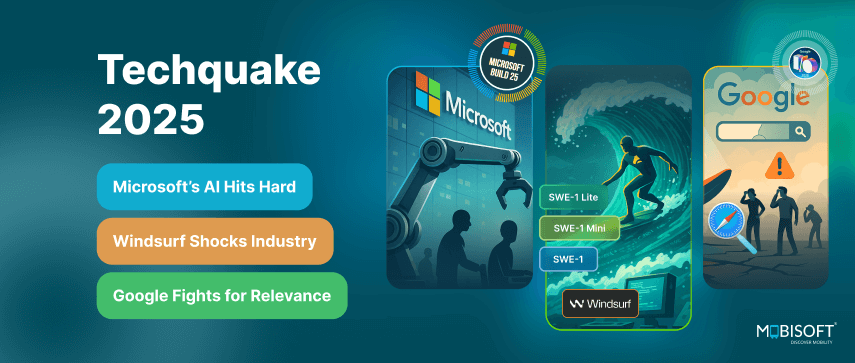
Techquake: Today’s News That Will Shake Your World
Introduction
Ever felt like the ground is shifting beneath your feet? Like you’re clinging to a world that’s changing faster than you can adapt? Welcome to the age of the Techquake! It’s not a natural disaster, but its impact is just as profound, reshuffling industries, careers, and even the very fabric of our daily lives.
Today, we’re not just talking about the next flashy gadget or app. We’re diving deep into a critical issue that’s already impacting your present and will define your future: the rising tide of AI-generated content and its implications for authenticity, creativity, and the job market.
Forget science fiction; AI isn’t just writing poetry and painting portraits anymore. It’s creating marketing copy, generating code, designing websites, and even composing music – all at speeds and scales that humans simply can’t match. This rapid proliferation of AI-generated content is a double-edged sword, offering unprecedented opportunities but also posing serious challenges that we need to address now.
So, buckle up! We’re about to explore the short-term shocks, the long-term aftershocks, and, most importantly, what you can do to not just survive this Techquake but thrive in its wake.
The Shaking Ground: Short-Term Impacts You Can’t Ignore
Right now, you might be feeling the tremors of this Techquake in a few key areas:
- Information Overload and the Authenticity Crisis: AI can churn out mountains of text, images, and videos, flooding the internet with content that’s often indistinguishable from human-created work. This makes it increasingly difficult to discern truth from fiction, original thought from regurgitated data. How can you trust what you read online? How can you be sure the news you’re consuming is actually news and not an AI-generated narrative?
- The Gig Economy Disrupted: Freelancers, writers, designers, and other creatives are already feeling the pressure. AI tools are offering businesses cheaper, faster alternatives, leading to potential job displacement and a devaluation of human skills. The fear isn’t about AI becoming sentient; it’s about its ability to undercut human labor in a variety of creative fields.
- Ethical Minefields: Who owns the copyright to AI-generated content? What happens when AI produces biased or harmful material? The legal and ethical frameworks surrounding AI are still in their infancy, leaving us vulnerable to potential misuse and unintended consequences.
- Erosion of Trust: The rise of deepfakes and realistic AI-generated audio and video poses a significant threat to trust. How can you believe what you see or hear when it could be entirely fabricated? This erosion of trust impacts everything from politics and journalism to personal relationships.
The Long-Term Aftershocks: What the Future Holds
While the short-term impacts are concerning, the long-term implications of AI-generated content are even more profound:
- Transformation of the Job Market: Forget simply automating repetitive tasks. AI is now capable of performing complex creative work, potentially leading to significant shifts in the job market. Entire industries could be restructured as businesses adapt to this new reality.
- The Evolution of Creativity: What does it mean to be creative in a world where AI can generate endless variations on a theme? Will human creativity become solely about curating and refining AI output, or will we find new ways to express ourselves that go beyond AI’s capabilities?
- The Potential for Misinformation and Manipulation: Imagine a world where AI-generated propaganda floods social media, influencing elections and shaping public opinion. The potential for malicious actors to exploit AI for their own purposes is terrifying.
- Blurring the Lines Between Reality and Simulation: As AI becomes more sophisticated, the line between real and simulated experiences will become increasingly blurred. This could have profound psychological and societal consequences, affecting our sense of identity and our understanding of the world around us.
Building Earthquake-Resistant Structures: Practical Solutions You Can Implement
Okay, enough doom and gloom. The Techquake is happening, but that doesn’t mean we’re powerless. Here are some practical steps you can take to mitigate the risks and seize the opportunities presented by AI-generated content:
- Cultivate Critical Thinking and Media Literacy: In a world saturated with information, the ability to discern credible sources and identify biases is more important than ever. Learn to question everything you read, see, and hear online. Fact-check claims, verify sources, and be wary of anything that seems too good to be true. Encourage media literacy education in schools and communities.
- Example: Before sharing an article on social media, take a moment to check the website’s reputation, look for signs of bias, and cross-reference the information with other sources.
- Embrace Lifelong Learning and Upskilling: The job market is changing rapidly, so it’s essential to stay ahead of the curve. Identify the skills that are most likely to be in demand in the future and invest in learning them. This could include developing expertise in AI ethics, data analysis, or creative fields that are less susceptible to automation.
- Example: If you’re a writer, consider learning about AI content detection tools and how to create content that is uniquely human and engaging.
- Focus on “Human Skills”: While AI excels at automating tasks, it still struggles with uniquely human skills like critical thinking, emotional intelligence, creativity, and complex problem-solving. Invest in developing these skills to differentiate yourself in the job market.
- Example: Practice active listening, empathy, and collaboration in your personal and professional life. These are skills that AI can’t replicate.
- Support Ethical AI Development and Regulation: Advocate for policies and regulations that promote responsible AI development and prevent its misuse. Support organizations that are working to address the ethical challenges posed by AI.
- Example: Contact your elected officials and urge them to support legislation that promotes transparency and accountability in the development and deployment of AI systems.
- Leverage AI as a Tool, Not a Replacement: Instead of viewing AI as a threat, explore ways to use it to enhance your own productivity and creativity. Experiment with AI-powered tools to automate repetitive tasks, generate ideas, and explore new creative avenues.
- Example: Use AI-powered tools to brainstorm ideas, create drafts, and conduct research. Then, use your own human skills to refine, polish, and add your unique perspective.
- Champion Authenticity and Transparency: In a world of AI-generated content, authenticity and transparency are valuable assets. Be upfront about your use of AI in your work and strive to create content that is genuine, original, and reflects your unique voice.
- Example: If you use AI to generate content, disclose that fact to your audience. Be transparent about the process and explain how you used AI to enhance your work.
Alternative Approaches: A Menu of Options
Not every solution works for everyone. Here are some alternative approaches to consider:
- The “Human-in-the-Loop” Model: Focus on creating AI systems that augment human capabilities rather than replacing them entirely. This approach emphasizes collaboration between humans and AI, leveraging the strengths of both to achieve optimal results.
- The “Decentralized AI” Movement: Explore decentralized AI platforms that prioritize user privacy and control over data. This approach aims to democratize access to AI and prevent its concentration in the hands of a few powerful corporations.
- The “Creative Commons” Approach: Advocate for the use of Creative Commons licenses for AI-generated content, allowing for greater sharing and collaboration while still protecting the rights of creators.
Conclusion: Riding the Wave of Change
The Techquake is here, and it’s not going away. But that doesn’t mean we should be afraid. Change is inevitable, and with the right mindset and the right tools, we can adapt and thrive in this new era.
The key is to embrace lifelong learning, cultivate critical thinking, and focus on developing uniquely human skills. By doing so, we can not only survive the Techquake but also emerge stronger and more resilient than ever before.
Don’t let the fear of the unknown paralyze you. Instead, embrace the challenge, explore the opportunities, and become an active participant in shaping the future of AI. The ground may be shaking, but the future is still ours to create. So, let’s build something amazing, together.