
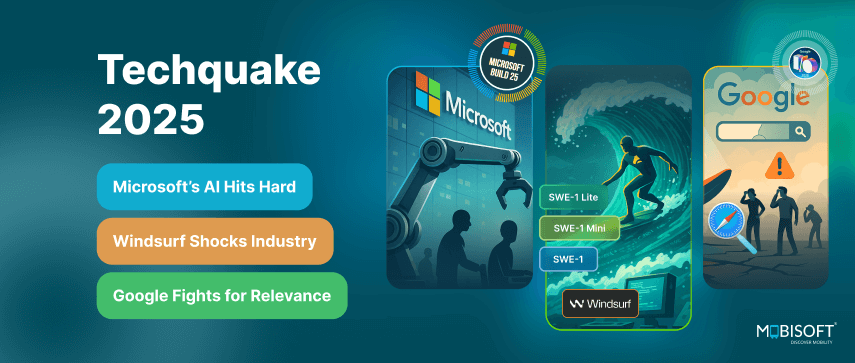
Techquake:The World Shakes
Introduction
Okay,let’s face it,the ground beneath our feet is shifting.Not literally(unless you’re reading this from California),but in a technological sense.We’re living through a Techquake,a seismic shift in how we live,work,and interact.It’s exciting,sure,but also a little unsettling.One minute you’re mastering the latest social media trend,the next it’s obsolete,replaced by something you can’t even pronounce.So,buckle up,because this ride is only getting wilder.
What exactly is this “Techquake” we’re talking about?It’s not just about faster processors and fancier gadgets.It’s the convergence of several disruptive technologies—artificial intelligence(AI),blockchain,cloud computing,augmented and virtual reality(AR/VR),and the Internet of Things(IoT)—that are shaking the foundations of entire industries.
Think about it.AI is automating jobs,blockchain is disrupting finance,and the cloud is powering everything from streaming services to global supply chains.AR/VR is blurring the lines between the physical and digital worlds,while IoT is connecting billions of devices,generating a tsunami of data.Each of these technologies,on its own,is transformative.Together,they’re an earthquake.
But what does this mean for you,the everyday reader?Is this just tech jargon for geeks?Absolutely not.The Techquake is impacting all of us,whether we realize it or not.
Short-Term Tremors:Immediate Impacts
In the short term,the tremors of this Techquake are already being felt.
- Job Displacement and Evolution:Automation,driven by AI and robotics,is streamlining processes across industries.While some jobs are being eliminated,new roles are emerging in areas like data science,AI development,and cybersecurity.The challenge is bridging the skills gap and ensuring that workers are equipped to thrive in the new economy.
- Cybersecurity Threats:As our lives become increasingly digitized,we become more vulnerable to cyberattacks.The sheer volume of data generated by IoT devices and stored in the cloud presents lucrative targets for hackers.Individuals and organizations must prioritize cybersecurity to protect their information and assets.
- Information Overload and Misinformation:The proliferation of information,fueled by social media and online platforms,makes it difficult to distinguish fact from fiction.The spread of misinformation can have serious consequences,impacting public opinion,political processes,and even public health.
- Digital Divide:Not everyone has equal access to technology.The digital divide,which separates those with access to technology and the internet from those without,exacerbates existing inequalities.This can limit opportunities for education,employment,and participation in civic life.
Long-Term Aftershocks:The Future Landscape
Looking ahead,the long-term aftershocks of the Techquake will reshape society in profound ways.
- The Future of Work:Expect a continued shift towards remote work,flexible schedules,and the gig economy.The skills needed to succeed will evolve,with a greater emphasis on creativity,critical thinking,and adaptability.Lifelong learning will become essential for staying relevant in the workforce.
- The Rise of the Metaverse:AR/VR technologies are paving the way for immersive digital experiences.The metaverse,a persistent,shared virtual world,could transform how we socialize,work,learn,and entertain ourselves.
- The Data-Driven Economy:Data will become an even more valuable asset,driving innovation and personalization across industries.However,concerns about privacy and data security will need to be addressed to ensure that data is used ethically and responsibly.
- Ethical Considerations:As AI becomes more powerful,it raises ethical questions about bias,fairness,and accountability.We need to develop ethical frameworks and regulations to ensure that AI is used for the benefit of humanity.
Building on Solid Ground:Practical Solutions
So,how do we navigate this Techquake and build a more resilient future?Here are some practical solutions:
- Upskilling and Reskilling:Invest in your education and training.Learn new skills that are in demand in the digital economy,such as coding,data analytics,or digital marketing.Online platforms like Coursera,edX,and Udemy offer a wide range of courses.
- Example:A factory worker displaced by automation could take online courses in robotics and automation maintenance to transition into a new role.
- Prioritize Cybersecurity:Take steps to protect your personal information and devices.Use strong passwords,enable two-factor authentication,and be wary of phishing scams.For businesses,invest in robust cybersecurity infrastructure and training for employees.
- Example:A small business owner could use a password manager to generate and store strong passwords and implement employee training programs to raise awareness of phishing attacks.
- Combat Misinformation:Be critical of the information you consume online.Check the source,look for evidence,and be skeptical of sensational headlines.Support organizations that are working to combat misinformation.
- Example:Before sharing an article on social media,verify the information with reputable news sources and fact-checking websites like Snopes or PolitiFact.
- Bridge the Digital Divide:Support initiatives that provide access to technology and internet connectivity for underserved communities.Advocate for policies that promote digital equity.
- Example:Donate to organizations that provide computers and internet access to schools and libraries in low-income communities.
- Embrace Ethical AI:Support the development and deployment of AI systems that are fair,transparent,and accountable.Advocate for regulations that prevent the misuse of AI.
- Example:Support research into algorithmic bias and advocate for policies that require AI systems to be audited for fairness.
Alternative Approaches:Tailoring Solutions to Your Needs
Remember,there’s no one-size-fits-all solution.Here are some alternative approaches:
- For Individuals:Focus on developing soft skills like communication,teamwork,and problem-solving.These skills are valuable in any industry and are less likely to be automated.
- For Businesses:Invest in employee training programs to help your workforce adapt to new technologies.Foster a culture of innovation and experimentation.
- For Governments:Develop policies that support innovation,promote digital literacy,and protect workers.Invest in infrastructure that bridges the digital divide.
- For Educators:Revamp curricula to emphasize critical thinking,problem-solving,and digital literacy.Prepare students for the jobs of the future,not just the jobs of the past.
Conclusion:Riding the Wave
The Techquake is a reality.It’s reshaping our world in ways we can barely imagine.But it’s not all doom and gloom.This seismic shift also presents incredible opportunities for innovation,growth,and progress.
By embracing lifelong learning,prioritizing cybersecurity,combating misinformation,bridging the digital divide,and promoting ethical AI,we can navigate this Techquake and build a more resilient and equitable future.
Don’t be afraid of the change.Embrace it.Learn from it.Adapt to it.The future is not something that happens to us.It’s something we create.Let’s work together to build a future where technology empowers us all.The ground is shaking,yes,but we can learn to ride the wave.And who knows?Maybe we’ll even enjoy the ride.