
“`html
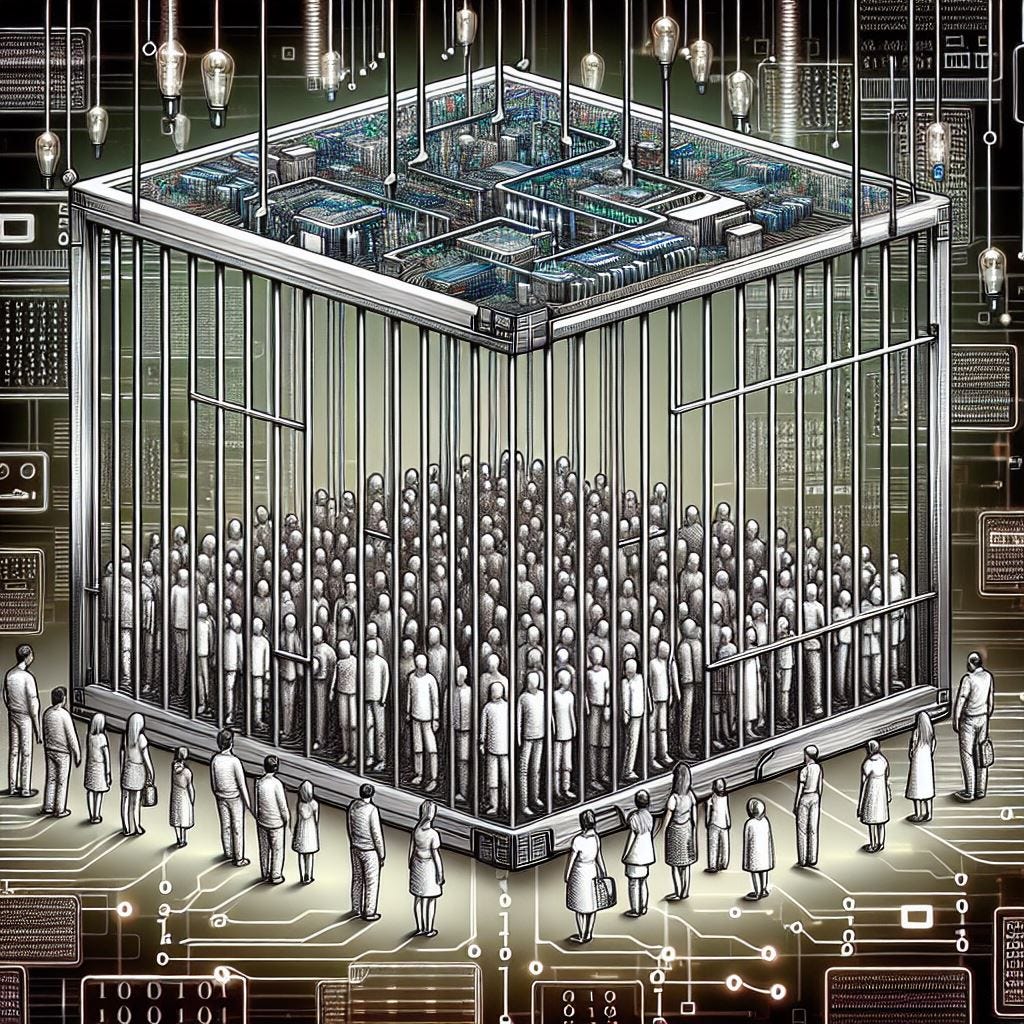
Techlash: Are We Building Our Own Cage?
Introduction
Remember the early days of the internet? A boundless frontier, brimming with potential, promising connection, democratization, and a future so bright it practically wore shades. Fast forward to today, and that rosy picture is looking a little… tarnished. We’re in the midst of a “techlash,” a growing wave of public concern and criticism leveled at the very technologies we once embraced with open arms. But is this just a passing trend, or are we waking up to the reality that we might be building our own gilded cage?
It’s easy to see why the tide has turned. Headlines scream of data breaches, privacy violations, algorithmic bias, and the insidious creep of surveillance capitalism. We scroll through social media feeds curated to keep us hooked, often at the expense of our mental well-being. We see the rise of misinformation and echo chambers, fueling polarization and eroding trust in institutions. And let’s not forget the impact on the job market, as automation threatens to displace workers across various industries.
In short, the very tools designed to liberate us seem to be trapping us in new and unexpected ways. But before we throw our smartphones into the nearest body of water, let’s take a closer look at the short-term and long-term implications of this techlash, and, more importantly, what we can do about it.
The Immediate Burn: Short-Term Impacts
The immediate consequences of our growing distrust in technology are already palpable. We’re seeing:
- Erosion of Trust: From Facebook’s Cambridge Analytica scandal to the constant stream of data breaches affecting major companies, trust in tech giants is plummeting. This distrust extends to how our data is used, impacting everything from targeted advertising to political campaigns.
- Mental Health Concerns: Studies increasingly link excessive social media use to anxiety, depression, and loneliness. The pressure to maintain a perfect online persona, coupled with the constant barrage of curated content, takes a toll on our well-being.
- Increased Regulation: Governments worldwide are scrambling to catch up with the rapid pace of technological advancement. We’re seeing stricter data privacy laws like GDPR and the California Consumer Privacy Act (CCPA), signaling a shift towards greater accountability for tech companies.
The Long Game: Future Implications
Looking further down the line, the potential long-term consequences are even more concerning:
- Algorithmic Bias Reinforcing Inequality: Algorithms, often touted as objective, can perpetuate and amplify existing biases present in the data they are trained on. This can have discriminatory effects in areas like hiring, lending, and even criminal justice.
- Loss of Autonomy and Critical Thinking: Relying excessively on algorithms to make decisions for us can erode our ability to think critically and make informed choices. Imagine a future where our news, entertainment, and even relationships are dictated by algorithms designed to maximize engagement, not necessarily our well-being.
- The Surveillance State: The increasing collection and analysis of personal data by both governments and corporations raise serious concerns about privacy and freedom. A world where every move is tracked and analyzed has the potential to stifle dissent and limit individual expression.
- The Widening Digital Divide: While technology offers immense opportunities, access is not equally distributed. The digital divide, exacerbated by income inequality, leaves many behind, creating a society where those with access to technology thrive while others are left further marginalized.
Breaking Free: Practical Solutions for a Tech-Conscious Future
So, what can we do to escape this potential cage and harness the power of technology for good? The good news is, we’re not powerless. Here are some practical solutions, empowering you to take control and navigate the digital landscape more consciously:
- Become a Data Privacy Champion:
- Know Your Rights: Familiarize yourself with data privacy laws like GDPR and CCPA. Understand what rights you have regarding your personal data and how to exercise them.
- Take Control of Your Data: Review your privacy settings on social media platforms and other online services. Opt out of data collection and targeted advertising whenever possible. Use privacy-focused browsers, search engines, and messaging apps.
- Support Privacy-Focused Companies: Choose companies that prioritize data privacy and security. Vote with your wallet by supporting businesses that respect your rights.
Example: DuckDuckGo is a search engine that doesn’t track your search history or personalize your results, offering a more private alternative to Google.
- Cultivate Digital Well-being:
- Set Boundaries: Establish specific times for unplugging from technology. Turn off notifications and resist the urge to constantly check your phone.
- Practice Mindful Consumption: Be intentional about the content you consume online. Seek out diverse perspectives and avoid echo chambers.
- Prioritize Real-Life Connections: Spend time with loved ones, engage in hobbies, and connect with your community offline.
- Consider a Digital Detox: Regularly disconnect from technology for a period of time to recharge and reconnect with yourself.
Example: The “Forest” app encourages users to put down their phones by planting a virtual tree that dies if they leave the app before a set time.
- Demand Ethical Technology:
- Support Ethical Tech Companies: Seek out companies that prioritize ethical design and responsible data practices.
- Advocate for Regulation: Contact your elected officials and urge them to support policies that promote data privacy, algorithmic transparency, and responsible technology development.
- Hold Tech Companies Accountable: Speak out against unethical practices and demand greater transparency and accountability from tech giants.
Example: The Mozilla Foundation advocates for an open and accessible internet, promoting policies that protect user privacy and security.
- Embrace Digital Literacy:
- Learn About Algorithms: Understand how algorithms work and how they can be biased.
- Develop Critical Thinking Skills: Question the information you encounter online and be aware of misinformation and propaganda.
- Teach Others: Share your knowledge with friends, family, and colleagues to help them navigate the digital world more safely and responsibly.
Example: Websites like Snopes and PolitiFact can help you verify the accuracy of information you find online.
- Support Open Source and Decentralized Technologies:
- Explore Open Source Alternatives: Choose open source software and platforms that are transparent and customizable.
- Embrace Decentralization: Support decentralized technologies like blockchain that offer greater user control and data ownership.
- Contribute to the Open Source Community: Contribute your skills and knowledge to open source projects and help build a more equitable and accessible digital future.
Example: Mastodon is a decentralized social media platform that allows users to host their own servers, giving them greater control over their data and content.
A Brighter Future, Together:
The techlash isn’t just about complaining; it’s about recognizing the potential pitfalls of unchecked technological advancement and actively shaping a future where technology serves humanity, not the other way around. It’s about reclaiming our autonomy, protecting our privacy, and building a digital world that is more equitable, ethical, and sustainable.
This isn’t a task for a select few; it requires collective action. By taking small, incremental steps – from adjusting our privacy settings to advocating for responsible regulation – we can collectively steer the ship towards a brighter horizon. The cage isn’t built yet, and the blueprint is still in our hands. Let’s use it wisely. Let’s build a future where technology empowers us, rather than enslaving us. Let’s start today.
“`