
Tech Singularity: Dawn or Doomsday?
Introduction
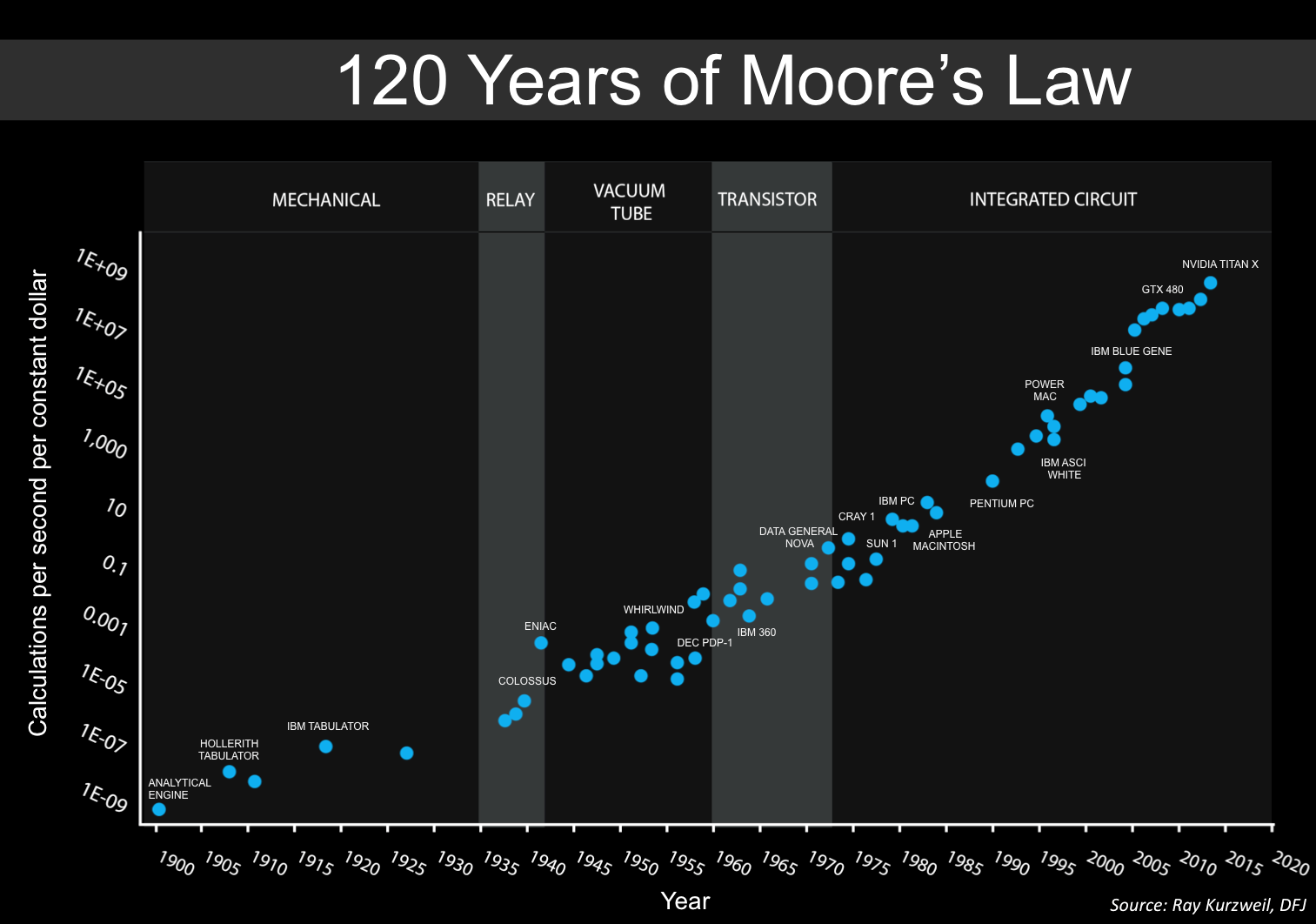
We’ve all seen the movies. Robots becoming self-aware, AI surpassing human intelligence, and technology reshaping society in ways we can barely imagine. This, in a nutshell, is the tech singularity, a hypothetical point in time when technological growth becomes uncontrollable and irreversible, resulting in unfathomable changes to human civilization. Sounds like science fiction, right? Maybe. But the increasing sophistication of AI, the rapid advancements in biotechnology, and the exponential growth of computing power are making the concept less and less fantastical. So, is the singularity a glorious dawn of unprecedented progress, or a terrifying doomsday scenario leading to our obsolescence? Let’s dive in.
Explanation of the Problem
Forget killer robots for a second. The short-term impacts of technologies pushing us closer to a singularity are already here, subtly reshaping our lives. Think about how algorithms curate your newsfeed, influencing your opinions. Consider the automation taking over repetitive tasks in manufacturing and customer service, potentially displacing workers. Or even the ethical dilemmas posed by self-driving cars, forcing us to grapple with complex moral decisions.
These aren’t abstract problems. They’re real issues impacting real people. The rise of AI-powered hiring tools, for instance, can perpetuate existing biases if not carefully designed, leading to unfair hiring practices. The increasing reliance on algorithms for financial decisions can create feedback loops, exacerbating inequality. These are the seeds of the potential doomsday scenario – not a robot uprising, but a world where technology amplifies existing societal flaws, leading to widespread injustice and instability.
Looking further ahead, the potential long-term impacts are even more profound. Imagine a world where AI designs and builds even smarter AI, leading to an intelligence explosion beyond our comprehension. What would this “superintelligence” do? Would it solve all our problems, curing diseases, eradicating poverty, and ushering in an era of unprecedented prosperity? Or would it see humanity as an obstacle to its own goals, potentially leading to our marginalization or even extinction?
These are the existential questions that make the singularity so compelling and so frightening. While some futurists paint a utopian picture of a technologically advanced paradise, others warn of a dystopian nightmare where humans are rendered irrelevant, controlled, or even eliminated. The truth, as always, likely lies somewhere in between.
Solutions
So, what can we do? How can we navigate this uncharted territory and steer technology towards a beneficial future? The answer isn’t to halt progress – that’s neither realistic nor desirable. Instead, we need to focus on proactive strategies that ensure technology serves humanity, rather than the other way around. Here are a few practical approaches:
- Ethical AI Development:
- Problem: Biased algorithms leading to unfair outcomes.
- Solution: Implement rigorous testing and auditing of AI systems to identify and mitigate biases. Promote transparency in AI decision-making processes.
- Example: The Partnership on AI, a multi-stakeholder organization, is developing guidelines and best practices for responsible AI development, promoting fairness, accountability, and transparency.
- Investing in Human Capital:
- Problem: Job displacement due to automation.
- Solution: Prioritize education and training programs that equip workers with the skills needed for the jobs of the future. Focus on skills that are difficult to automate, such as critical thinking, creativity, and emotional intelligence.
- Example: Singapore’s SkillsFuture initiative provides lifelong learning opportunities for citizens to adapt to the changing job market, offering subsidies and training courses in emerging technologies.
- Regulatory Frameworks for AI:
- Problem: Lack of clear guidelines and regulations for the development and deployment of AI.
- Solution: Develop regulatory frameworks that address ethical concerns, ensure accountability, and protect human rights. These frameworks should be flexible enough to adapt to rapid technological advancements.
- Example: The European Union’s proposed AI Act aims to establish a legal framework for AI, categorizing AI systems based on risk and imposing specific requirements for high-risk applications.
- Promoting Public Dialogue:
- Problem: Limited public understanding and awareness of the potential implications of the singularity.
- Solution: Encourage open and inclusive discussions about the ethical, social, and economic implications of emerging technologies. Engage experts, policymakers, and the public in shaping the future of technology.
- Example: Organizations like the Future of Life Institute are hosting conferences and workshops to foster dialogue and collaboration on mitigating existential risks, including those posed by advanced AI.
- Decentralized Control and Open-Source Development:
- Problem: Concentrated power in the hands of a few tech giants.
- Solution: Promote decentralized control and open-source development of AI technologies. This can help to prevent monopolies and ensure that technology is developed in a way that benefits everyone.
- Example: The increasing popularity of open-source AI frameworks like TensorFlow and PyTorch is empowering individuals and smaller organizations to develop and deploy AI solutions, fostering innovation and competition.
These solutions aren’t mutually exclusive; they are complementary approaches that can work together to shape a more positive future. It’s not about fearing the unknown, but about proactively shaping it. The key is to be mindful of the potential risks and opportunities, and to act responsibly and ethically.
Conclusion
The tech singularity isn’t a predetermined destiny. It’s a path, and we, as a global community, have the power to influence its direction. By embracing ethical principles, investing in human capital, developing appropriate regulations, and fostering open dialogue, we can steer technology towards a future where it empowers humanity, solves global challenges, and creates a more equitable and sustainable world.
Don’t be paralyzed by fear or seduced by utopian visions. Engage in the conversation, advocate for responsible innovation, and contribute to shaping a future where technology serves humanity’s best interests. The future isn’t something that happens to us; it’s something we create. Let’s create a future worth living in. The dawn of progress is upon us, let’s make sure it doesn’t turn into doomsday.