
Tech Singularity: Are We Ready to Be Obsolete?
Introduction
Imagine a world where your morning coffee is brewed by a robot barista who anticipates your caffeine needs before you even realize them. Envision software that not only writes code faster than any human but also debugs and optimizes it with unparalleled efficiency. Sounds like a sci-fi movie, right? Well, welcome to the (potentially near) future, folks! We’re talking about the tech singularity, and it’s a question mark looming large over our jobs, our skills, and even our very purpose.
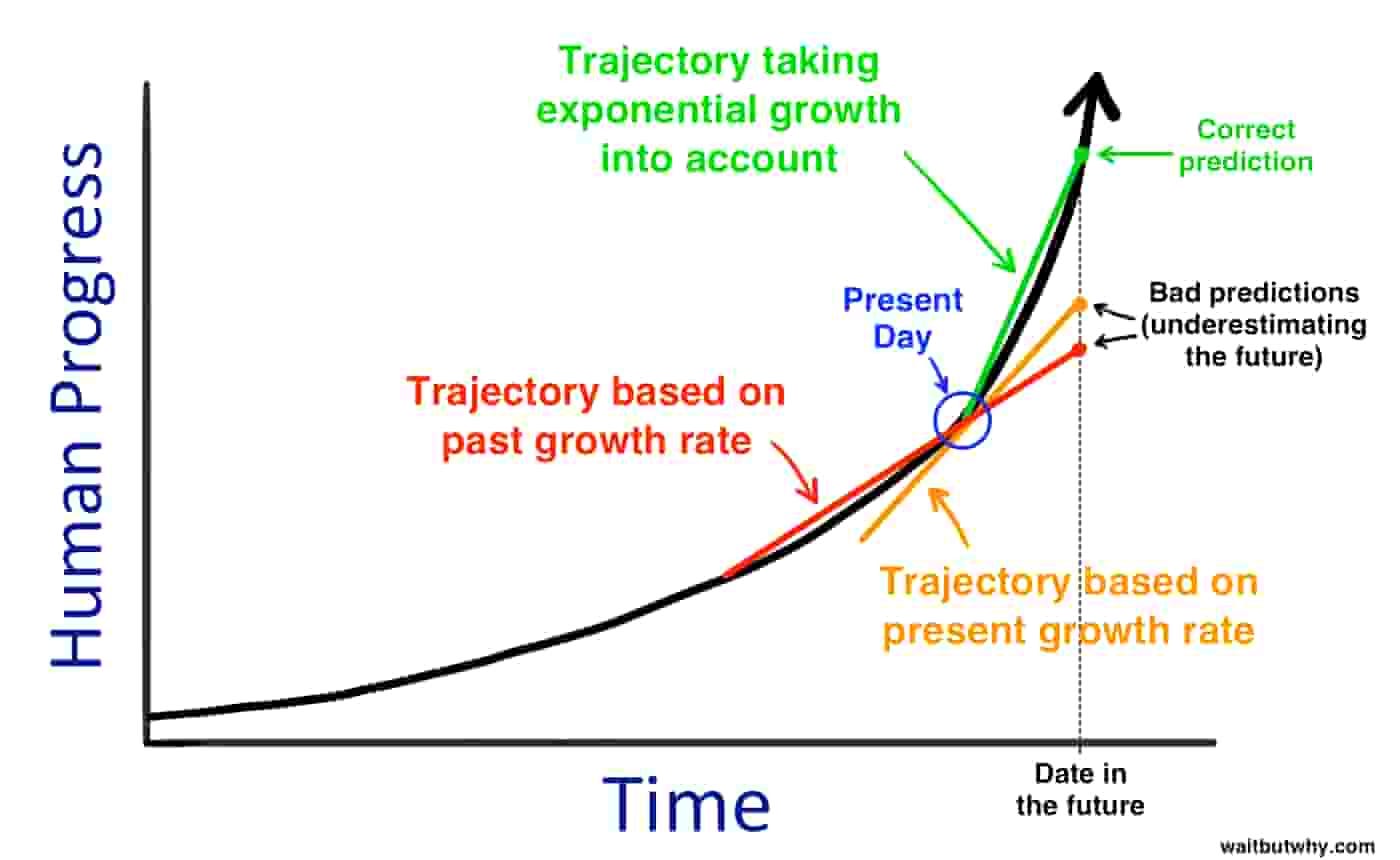
The tech singularity, in its simplest terms, is the hypothetical point in time when technological growth becomes uncontrollable and irreversible, resulting in changes to human civilization so profound that they become unpredictable. In other words, it’s the moment machines become smarter than us, and the implications are, well, a little mind-boggling.
But before you start building a bunker in your backyard, let’s unpack this concept. Is it a legitimate threat, or just another doomsday prediction? And more importantly, what can we, as individuals and as a society, do to navigate this potentially transformative era?
The Short-Term Ripple Effect: Job Displacement and Skill Gaps
The most immediate impact of advancing technology is already being felt: job displacement. Automation, powered by AI and machine learning, is rapidly changing the landscape of work. We’re seeing it in manufacturing, customer service, and even white-collar professions like accounting and legal assistance. Tasks that once required human intellect and dexterity are now being handled by algorithms and robots, often with greater speed and accuracy.
This isn’t just about losing jobs, though. It’s about the *type* of jobs. Repetitive, rule-based roles are most vulnerable, while positions requiring creativity, critical thinking, and emotional intelligence are, for now, safer. This creates a significant skill gap. The workforce needs to adapt to the evolving demands of the market, acquiring new competencies to remain relevant.
Think about the trucking industry. Self-driving trucks are a rapidly developing reality. While the initial impact might be limited to long-haul routes, the potential for significant job losses for truck drivers is undeniable. This displacement creates a cascade effect, impacting related industries like truck stops, repair shops, and even local economies that rely on trucking traffic.
The Long Game: Redefining Humanity in a Tech-Driven World
Looking further down the line, the singularity raises deeper, more philosophical questions. If machines can perform most tasks more efficiently than humans, what role will we play in society? Will we become a leisure class, freed from labor but lacking purpose? Will our identities be defined by something other than our jobs?
The long-term impacts also touch upon ethical considerations. How do we ensure that AI is developed and used responsibly? How do we prevent bias and discrimination from being embedded in algorithms? And perhaps most importantly, how do we maintain control over technology that surpasses our own intelligence?
Imagine a future where AI controls critical infrastructure like power grids and financial markets. The potential for misuse or unintended consequences is staggering. We need to establish robust ethical frameworks and regulatory oversight to mitigate these risks.
So, Are We Doomed? Absolutely Not. Here’s How We Adapt and Thrive
Instead of fearing the singularity, we can embrace it as an opportunity for growth and innovation. The key is to proactively adapt and equip ourselves with the skills and knowledge needed to thrive in a tech-driven world.
Here are a few practical solutions:
- Embrace Lifelong Learning: This is the most crucial step. The skills of today might be obsolete tomorrow. Invest in continuous learning, focusing on skills that are uniquely human: critical thinking, creativity, communication, emotional intelligence, and complex problem-solving. Platforms like Coursera, edX, and Udemy offer a vast array of online courses covering everything from AI ethics to design thinking.
- Focus on Creativity and Innovation: Machines excel at optimization, but humans excel at creating something new. Cultivate your creative abilities. Learn to think outside the box, generate innovative ideas, and adapt to changing circumstances. Participate in brainstorming sessions, attend workshops on design thinking, and practice divergent thinking exercises.
- Develop Your Emotional Intelligence: In a world increasingly dominated by technology, emotional intelligence (EQ) will become even more valuable. EQ encompasses self-awareness, self-regulation, empathy, and social skills. These are the skills that build strong relationships, facilitate collaboration, and drive effective leadership. Consider taking an EQ assessment and actively working on improving your emotional intelligence through self-reflection and practice.
- Become Tech-Savvy, Not Tech-Dependent: You don’t need to become a coding expert, but understanding the fundamentals of technology is essential. Learn how AI and machine learning work, explore data analytics, and experiment with different software applications. This will empower you to leverage technology effectively and adapt to new tools and platforms.
- Explore Entrepreneurship and the Gig Economy: The changing job market is creating new opportunities for entrepreneurs and freelancers. If traditional employment becomes less secure, consider starting your own business or offering your skills on a freelance basis. This requires adaptability, resilience, and a willingness to learn new skills, but it can also provide greater autonomy and financial independence.
- Advocate for Ethical AI Development: We all have a responsibility to ensure that AI is developed and used ethically. Support organizations that are working to promote responsible AI development, advocate for government regulations that protect privacy and prevent bias, and engage in conversations about the ethical implications of technology.
Case Study: The Rise of Data Science
The field of data science is a prime example of how new technologies create new opportunities. As businesses generate vast amounts of data, the demand for data scientists who can analyze and interpret that data has skyrocketed. Individuals who have invested in learning data science skills are now in high demand, commanding high salaries and contributing to innovative solutions across various industries. This highlights the potential for new skills and specializations to emerge as technology continues to evolve.
Choosing the Right Path for You
The beauty of this situation is that there’s no one-size-fits-all solution. Your path will depend on your individual skills, interests, and goals. Are you passionate about technology? Consider pursuing a career in AI development or data science. Are you more interested in the human side of things? Focus on developing your emotional intelligence and leadership skills.
The key is to be proactive, adaptable, and willing to embrace change. Don’t wait for the singularity to arrive; start preparing now.
The Future is Not Predetermined: Let’s Shape It Together
The tech singularity isn’t a guaranteed future; it’s a possibility. And possibilities can be shaped. By actively engaging with technology, developing our skills, and advocating for ethical development, we can ensure that the future is one of collaboration, innovation, and shared prosperity.
Instead of fearing obsolescence, let’s view this era as a catalyst for human evolution. Let’s embrace the challenges, learn from our mistakes, and work together to create a future where technology empowers us to reach our full potential. The future isn’t something that happens *to* us; it’s something we create. Let’s build a future worth looking forward to.