
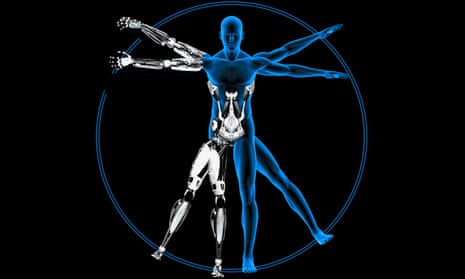
Technology: The New Human?
Introduction
Ever feel like your phone is an extension of your arm? Or that you rely on Google Maps more than your own sense of direction? You’re not alone. Technology, in its relentless march forward, has become so intertwined with our lives that it begs the question: are we slowly being replaced by our own creations? Are we evolving into something… different? Something more… digital?
This isn’t some dystopian sci-fi flick, folks. This is happening right now. From AI writing marketing copy to algorithms predicting our next purchase, technology is increasingly making decisions and shaping our experiences. But is this progress, or are we surrendering our humanity, bit by byte? Let’s dive into the short-term and long-term ripples of this tech-driven tide, and, more importantly, figure out how to navigate these waters with our human compass intact.
Explanation of the Problem
The Short-Term: Convenience vs. Connection
In the immediate term, the benefits of technology are undeniable. We’ve traded in cumbersome maps for GPS, endless library searches for instant online access, and snail mail for lightning-fast emails. This efficiency frees up our time, allowing us to pursue hobbies, connect with loved ones (digitally, at least), and be more productive at work.
But here’s the rub: that ease comes at a cost. We’re losing practical skills like navigation, memorization, and even face-to-face communication. Think about the last time you got truly lost without your phone. Or tried to recall a phone number without looking it up. Our reliance on technology is subtly eroding these once-essential abilities.
Furthermore, the constant connectivity can be overwhelming. The endless stream of notifications, emails, and social media updates bombards our senses, contributing to stress, anxiety, and a decreased attention span. We’re always “on,” always available, blurring the lines between work and life, and leaving little room for genuine, unplugged downtime.
The Long-Term: Identity, Autonomy, and the Algorithm
Looking further down the road, the potential impacts of technological dependence become even more profound. As AI becomes more sophisticated, it’s poised to automate not just repetitive tasks, but also complex decision-making processes. This raises questions about the future of work, the value of human skills, and even our sense of purpose.
Imagine a world where AI diagnoses illnesses, designs buildings, and even writes novels. What role would humans play? Would we become passive recipients of AI-generated solutions, losing our capacity for critical thinking, creativity, and innovation?
Perhaps the most concerning long-term impact is the potential erosion of our autonomy. Algorithms already influence what we see online, what we buy, and even who we connect with. As these algorithms become more sophisticated and pervasive, they could subtly shape our beliefs, values, and even our identities. We risk becoming prisoners of our own digital echo chambers, reinforcing existing biases and limiting our exposure to new perspectives.
Consider the case of targeted advertising. While seemingly harmless, the constant bombardment of personalized ads can subtly influence our desires and consumption patterns, leading us to make choices we might not otherwise make. Extend this to more sensitive areas, like political discourse or healthcare decisions, and the potential for manipulation becomes truly alarming.
Solutions
Reclaiming Our Humanity: Practical Solutions
Okay, so the picture isn’t entirely rosy. But the good news is, we’re not helpless. We have the power to shape our relationship with technology and ensure that it serves us, rather than the other way around. Here are some practical solutions you can implement today:
- Digital Minimalism: This isn’t about ditching technology altogether, but about being intentional about how you use it. Start by auditing your apps and social media accounts. Unsubscribe from unnecessary emails, delete apps you rarely use, and turn off notifications for anything that doesn’t require immediate attention. Set aside specific times for checking email and social media, rather than constantly being “on call”.
- Example: Start with a “digital detox” weekend, turning off all notifications and limiting your screen time. Notice how you feel. Use that experience to inform your future digital habits.
- Cultivate Offline Hobbies: Rediscover the joy of activities that don’t involve screens. Read a book, learn a new skill, spend time in nature, or connect with friends and family face-to-face. These activities not only provide a welcome break from technology, but also help to strengthen our cognitive abilities and foster a sense of well-being.
- Example: Join a local hiking group, take a pottery class, or start a book club.
- Embrace Lifelong Learning: In a rapidly changing world, it’s essential to continuously learn and adapt. Focus on developing skills that are uniquely human, such as critical thinking, creativity, emotional intelligence, and complex problem-solving. These are the skills that will remain valuable even as AI becomes more sophisticated.
- Example: Take an online course in critical thinking, attend a workshop on design thinking, or read books on emotional intelligence.
- Demand Ethical Technology: Support companies that prioritize user privacy, data security, and ethical AI development. Be mindful of the algorithms you interact with, and advocate for transparency and accountability in the design and deployment of these technologies.
- Example: Choose search engines that don’t track your searches, support organizations that advocate for digital rights, and be vocal about your concerns regarding data privacy.
- Mindful Consumption of Information: Be aware of the algorithms that curate your newsfeeds and social media feeds. Actively seek out diverse perspectives and sources of information, and be critical of the information you consume. Question the narratives being presented, and be aware of your own biases.
- Example: Diversify your news sources, follow people with different viewpoints on social media, and fact-check information before sharing it.
Alternative Approaches: Balancing Progress and Preservation
Beyond individual actions, we need broader societal shifts to ensure that technology enhances, rather than diminishes, our humanity. This includes:
- Investing in Education: We need to equip future generations with the skills and knowledge necessary to navigate a tech-driven world. This includes not just technical skills, but also critical thinking, ethical reasoning, and media literacy.
- Regulation and Oversight: Governments need to establish clear guidelines and regulations for the development and deployment of AI and other emerging technologies, ensuring that they are used responsibly and ethically.
- Promoting Digital Inclusion: We need to bridge the digital divide and ensure that everyone has access to the benefits of technology, regardless of their income, education, or location.
Conclusion
A Future Worth Building
The relationship between technology and humanity is not a zero-sum game. We don’t have to choose between progress and preservation. By being mindful, intentional, and proactive, we can harness the power of technology to create a better future for ourselves and for generations to come.
The key is to remember that technology is a tool, and like any tool, it can be used for good or for ill. It’s up to us to decide how we want to use it. Let’s choose to use it to connect, to empower, and to create, rather than to isolate, to control, and to replace.
This isn’t about fear or resistance; it’s about conscious evolution. It’s about shaping the future we want, a future where technology amplifies our humanity, rather than eclipsing it. The future isn’t predetermined; it’s being written right now. So, let’s pick up the pen and start writing a story worth telling. Are you ready to be part of the narrative?