
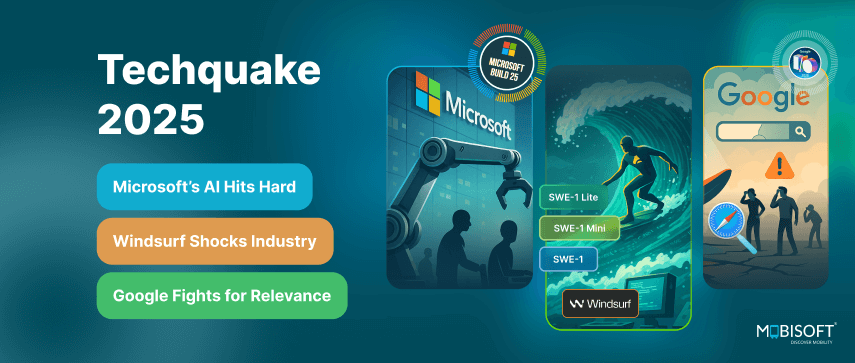
Techquake: Shifting the Future
Introduction
Okay, let’s be honest. The tech world isn’t just evolving; it’s experiencing a full-blown earthquake. A “Techquake,” if you will. And just like a seismic event, this one’s reshaping the landscape, creating new opportunities and, yes, some significant aftershocks we need to be prepared for.
We’re talking about the rapid advancements in Artificial Intelligence (AI), the relentless march of automation, the ever-expanding metaverse, and the constant evolution of cybersecurity threats. It’s a lot to take in. But ignoring it isn’t an option. Whether you’re a business owner, a student, a seasoned professional, or just someone trying to keep up with the times, understanding this Techquake is crucial for navigating the future.
So, buckle up. We’re diving into the immediate and long-term impacts of this tech-driven upheaval and, more importantly, exploring practical solutions to not just survive, but thrive, in this new reality.
The Short-Term Tremors: Opportunities and Challenges Now
The immediate impact of the Techquake is already palpable. On the upside, we’re seeing:
- Increased Efficiency and Productivity: AI-powered tools are streamlining workflows, automating mundane tasks, and freeing up human employees to focus on more creative and strategic initiatives. Think of marketing teams using AI to personalize customer experiences, or manufacturers leveraging predictive maintenance to avoid costly downtime.
- New Business Models and Revenue Streams: The metaverse is opening doors to entirely new forms of commerce and engagement. Businesses are experimenting with virtual storefronts, immersive training experiences, and digital assets, tapping into a potentially massive market.
- Enhanced Customer Experiences: From AI-powered chatbots providing instant customer support to personalized recommendations based on user data, technology is enabling businesses to deliver more seamless and satisfying experiences.
However, these opportunities come with challenges, including:
- The Skills Gap: As automation takes over routine tasks, there’s a growing need for workers with specialized skills in areas like AI development, data science, cybersecurity, and digital marketing. This skills gap can hinder innovation and limit economic growth.
- Job Displacement: Automation inevitably leads to the displacement of some jobs, particularly those involving repetitive manual labor. This can create anxiety and economic hardship for affected workers.
- Cybersecurity Risks: As technology becomes more integrated into our lives, the threat of cyberattacks increases. Businesses and individuals alike must be vigilant about protecting their data and systems from malicious actors.
The Long-Term Fault Lines: Reshaping the Future
Looking further down the road, the Techquake promises even more profound changes. We can expect:
- AI-Driven Healthcare Revolution: AI is poised to revolutionize healthcare, from diagnosing diseases more accurately to developing personalized treatment plans. Imagine AI algorithms analyzing medical images to detect cancer at an early stage or robotic surgeons performing complex procedures with greater precision.
- Smart Cities and Sustainable Infrastructure: Technology will play a crucial role in building more sustainable and efficient cities. Smart grids, autonomous vehicles, and data-driven urban planning will help reduce energy consumption, improve traffic flow, and enhance the quality of life for urban residents.
- The Metaverse as a Parallel Reality: The metaverse could evolve into a fully immersive digital world, blurring the lines between the physical and virtual realms. This could have profound implications for how we work, socialize, and entertain ourselves.
However, these long-term possibilities also raise ethical and societal concerns:
- AI Bias and Discrimination: AI algorithms can perpetuate and amplify existing biases if they are trained on biased data. This can lead to discriminatory outcomes in areas like hiring, lending, and criminal justice.
- Data Privacy and Security: As technology collects more and more data about our lives, it becomes increasingly important to protect our privacy and prevent data breaches.
- The Digital Divide: Access to technology and digital literacy remains unevenly distributed, creating a digital divide that can exacerbate existing inequalities.
Navigating the Techquake: Practical Solutions
So, how do we navigate this Techquake and harness its potential while mitigating its risks? Here are some practical solutions you can implement today:
- Embrace Lifelong Learning:
- Upskilling and Reskilling: Identify the skills that are in demand in the tech-driven economy and invest in your own education and training. Online courses, bootcamps, and workshops can provide you with the knowledge and skills you need to stay relevant.
- Example: A marketing professional could take a course in AI-powered marketing tools to enhance their ability to personalize customer experiences.
- Upskilling and Reskilling: Identify the skills that are in demand in the tech-driven economy and invest in your own education and training. Online courses, bootcamps, and workshops can provide you with the knowledge and skills you need to stay relevant.
- Foster Digital Literacy:
- Promote Digital Inclusion: Ensure that everyone has access to the technology and digital literacy skills they need to participate in the digital economy. Support initiatives that provide digital training and resources to underserved communities.
- Example: Libraries can offer free computer classes and internet access to help bridge the digital divide.
- Promote Digital Inclusion: Ensure that everyone has access to the technology and digital literacy skills they need to participate in the digital economy. Support initiatives that provide digital training and resources to underserved communities.
- Prioritize Cybersecurity:
- Implement Robust Security Measures: Protect your data and systems from cyber threats by implementing strong passwords, enabling multi-factor authentication, and regularly updating your software.
- Example: Small businesses can invest in cybersecurity training for their employees to help them identify and avoid phishing scams.
- Implement Robust Security Measures: Protect your data and systems from cyber threats by implementing strong passwords, enabling multi-factor authentication, and regularly updating your software.
- Advocate for Ethical AI:
- Promote Transparency and Accountability: Support policies and initiatives that promote transparency and accountability in the development and deployment of AI systems. Demand that AI algorithms be audited for bias and that developers be held responsible for the outcomes of their systems.
- Example: Consumers can choose to support companies that prioritize ethical AI practices and are transparent about how they use data.
- Promote Transparency and Accountability: Support policies and initiatives that promote transparency and accountability in the development and deployment of AI systems. Demand that AI algorithms be audited for bias and that developers be held responsible for the outcomes of their systems.
- Explore the Metaverse Strategically:
- Experiment and Learn: Don’t be afraid to experiment with the metaverse, but do so strategically. Identify potential use cases for your business and develop a clear strategy for engaging with the virtual world.
- Example: A fashion retailer could create a virtual storefront in the metaverse to showcase their products and reach new customers.
- Experiment and Learn: Don’t be afraid to experiment with the metaverse, but do so strategically. Identify potential use cases for your business and develop a clear strategy for engaging with the virtual world.
Alternative Approaches: Choosing What Works for You
The best approach to navigating the Techquake will vary depending on your individual circumstances and goals. Here are some alternative solutions to consider:
- Focus on Human Skills: While technology is becoming increasingly important, human skills like critical thinking, creativity, and emotional intelligence will remain highly valued. Focus on developing these skills to differentiate yourself in the job market.
- Seek Mentorship and Networking: Connect with mentors and peers who are knowledgeable about the tech landscape. They can provide you with valuable insights and guidance.
- Embrace a Growth Mindset: Be open to new ideas and willing to adapt to change. The tech world is constantly evolving, so it’s important to be flexible and adaptable.
Conclusion: Embrace the Change, Shape the Future
The Techquake is upon us, and it’s reshaping the world in profound ways. While the changes may seem daunting, they also present incredible opportunities for those who are willing to embrace them. By investing in your own skills, fostering digital literacy, prioritizing cybersecurity, advocating for ethical AI, and exploring new technologies like the metaverse, you can not only survive the Techquake but thrive in its wake.
The future is not something that happens to us; it’s something we create. By taking action today, we can shape a future that is more inclusive, equitable, and prosperous for all. So, let’s step forward with confidence and determination, ready to navigate the challenges and seize the opportunities that lie ahead. The future is being written now, and you have a chance to be part of the story.