
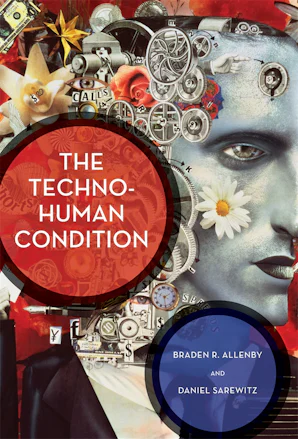
Technology: The New Human Condition
Introduction
Remember the good old days of dial-up internet? Okay, maybe not good, but simpler. Now, we live in a hyper-connected world, a world woven so tightly with technology that it’s no longer just a tool – it’s becoming the very fabric of our existence. It’s shaping how we think, how we interact, and even who we are. We’re talking about technology as the new human condition, and while it’s undeniably exciting, it also demands we take a long, hard look at what we’re creating.
Think about it. You wake up to an alarm on your phone, instantly check emails and social media, navigate using GPS, and video call family across the globe – all before breakfast. Technology isn’t just a part of our day; it’s the foundation upon which our modern lives are built. But what are the consequences of this deep integration, both now and down the line?
The Short-Term Buzz and the Long-Term Burnout
In the short term, we revel in the convenience. Instant access to information, unparalleled connectivity, and automation that streamlines our lives. Need groceries? Order them online. Want to learn a new skill? There’s a course for that. Feeling lonely? Scroll through social media (which, ironically, might make you feel even more lonely – more on that later).
But peel back the shiny surface, and the short-term advantages often come with a darker side jawabet 88. Consider:
- Attention Deficit: The constant barrage of notifications and information overload is rewiring our brains, making it harder to focus and concentrate. We’re becoming masters of multitasking, but experts argue that this actually makes us less productive and more prone to errors.
- Social Isolation: While technology connects us virtually, it can also isolate us in the real world. We spend hours scrolling through curated online lives instead of engaging in genuine human connection. This can lead to feelings of loneliness, anxiety, and depression.
- Mental Health Strain: The pressure to keep up, the fear of missing out (FOMO), and the constant comparison to others’ carefully constructed online personas contribute to increased stress and anxiety.
- Job Displacement: Automation and artificial intelligence are rapidly changing the job market, potentially displacing workers in various industries. This creates economic anxiety and requires us to adapt to new skill sets.
Looking further down the road, the long-term implications become even more concerning:
- Erosion of Privacy: Our data is being collected, analyzed, and used in ways we may not even be aware of. This raises serious questions about privacy, security, and the potential for manipulation.
- Digital Divide: The gap between those who have access to technology and those who don’t is widening, creating a two-tiered society. This exacerbates existing inequalities and limits opportunities for those on the wrong side of the digital divide.
- Ethical Dilemmas of AI: As artificial intelligence becomes more advanced, we face complex ethical questions about its role in society. Who is responsible when an AI makes a mistake? How do we ensure that AI is used for good and not for harm?
- Loss of Critical Thinking: Relying too heavily on technology to solve problems and access information could atrophy our critical thinking skills. We risk becoming passive consumers of information rather than active thinkers and problem-solvers.
Navigating the Tech-Tangle: Practical Solutions
Okay, doom and gloom aside, the reality is that technology isn’t going anywhere. The key is to learn how to navigate this new human condition consciously and intentionally. Here are some practical solutions:
- Digital Minimalism: Adopt a minimalist approach to technology. Pare down the apps on your phone, unsubscribe from unnecessary emails, and limit your time on social media. Author Cal Newport’s book “Digital Minimalism” is a great resource for this.
- Example: One person dramatically reduced their screen time by deleting social media apps from their phone and only accessing them on their laptop for a set amount of time each day. They reported feeling less anxious and more present in their daily life.
- Mindful Tech Use: Be intentional about how you use technology. Before reaching for your phone, ask yourself why. Are you bored? Anxious? Is there a better way to address that feeling?
- Example: Instead of automatically scrolling through social media when you have a spare moment, try reading a book, going for a walk, or connecting with a friend.
- Create Tech-Free Zones: Designate specific times and places as technology-free zones. This could be during meals, in the bedroom, or on weekends.
- Example: A family decided to ban all screens during dinner time. They found that this allowed them to connect with each other on a deeper level and have more meaningful conversations.
- Invest in Real-World Connections: Prioritize face-to-face interactions with friends and family. Join a club, volunteer, or take a class.
- Example: A group of friends started a book club that meets in person once a month. This gave them a chance to connect, discuss ideas, and build stronger relationships.
- Learn New Skills: Stay relevant in the changing job market by continuously learning new skills. Consider online courses, workshops, or certifications in areas like data analysis, coding, or digital marketing.
- Example: Many online platforms, such as Coursera, edX, and Udemy, offer a wide range of courses in various fields, allowing individuals to upskill and reskill at their own pace.
- Advocate for Ethical Tech: Support companies and organizations that prioritize ethical practices, data privacy, and responsible AI development.
- Example: Look for companies with clear privacy policies and a commitment to data security. Support open-source projects that promote transparency and collaboration.
- Develop Critical Thinking Skills: Challenge information you encounter online. Verify sources, question biases, and form your own opinions.
- Example: Fact-checking websites like Snopes and PolitiFact can help you determine the accuracy of information you find online.
Your Tech-Empowered Future Awaits
Technology, like fire, can be a powerful tool for creation and destruction. It’s up to us to wield it wisely. We can’t simply reject technology, but we must learn to engage with it consciously and critically. By adopting mindful practices, investing in real-world connections, and advocating for ethical development, we can shape a future where technology enhances our lives without compromising our well-being.
The journey of integrating technology into the human experience is ongoing. It will continue to evolve, and we need to evolve with it. Let’s embrace the potential of technology to create a better world, but let’s also be mindful of its potential pitfalls and work to mitigate them. The future isn’t something that just happens to us; it’s something we actively create. Let’s create one where technology empowers us to live more meaningful, connected, and fulfilling lives. You have the power to shape this future. Start today!