
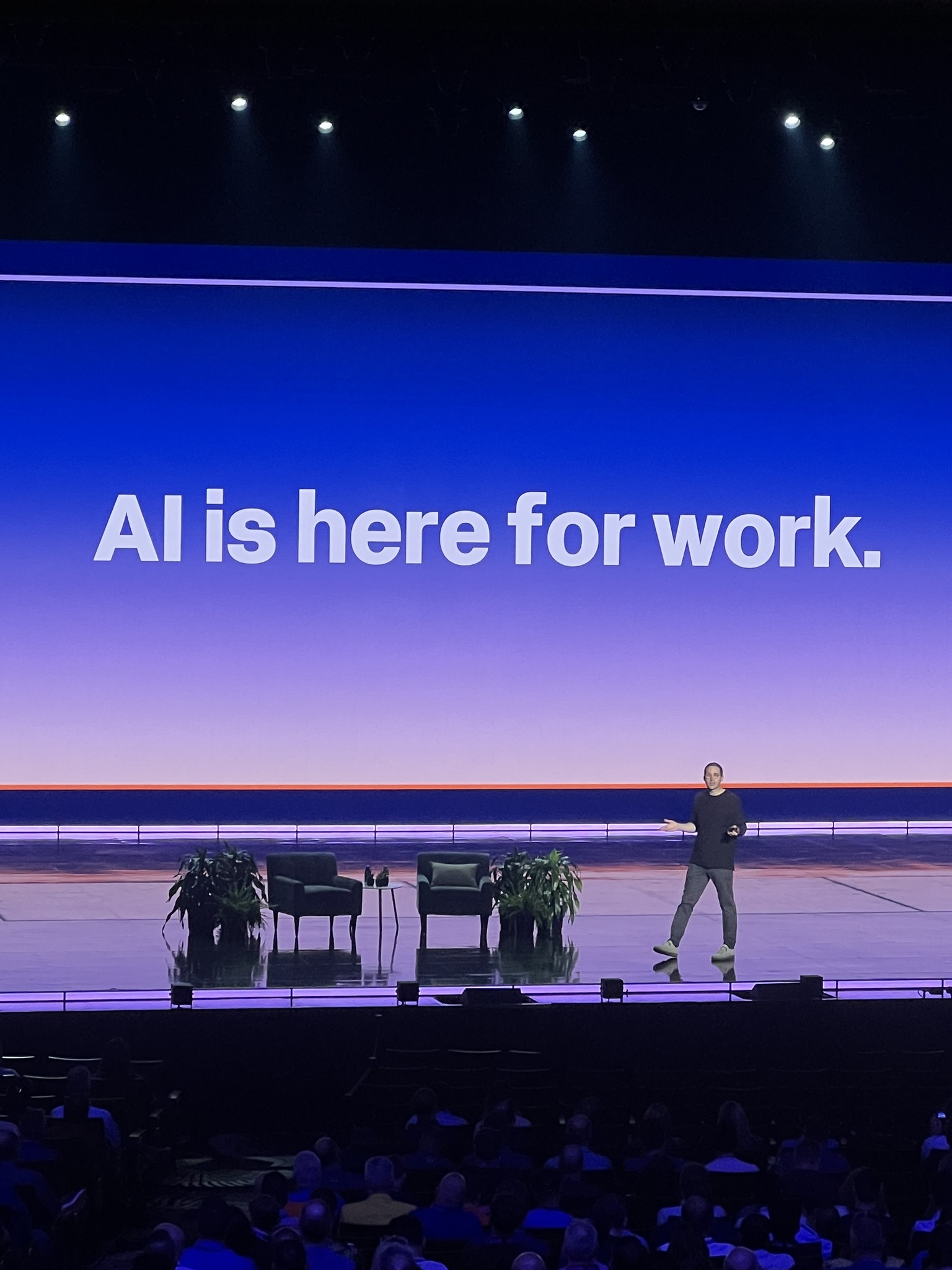
Tech’s Tectonic Shift: Are You Ready?
Introduction
Remember the last time you felt genuinely comfortable with the technological landscape? Probably not recently, right? Because let’s be honest, the ground is constantly shifting. It’s not just about a new app or gadget; it’s a full-blown tectonic shift in how we live, work, and interact with the world. And if you’re not paying attention, you risk getting left behind.
This isn’t just another tech article predicting the rise of AI (again!). This is about understanding the deeper currents pushing our world toward a fundamentally different future and equipping you with the tools to navigate it successfully. So buckle up, because we’re diving deep.
The Tremors You’re Already Feeling
We’re not talking about some distant, theoretical future. The tremors of this tech shift are already shaking our foundations. Consider these:
- The Skills Gap is Widening: Automation and AI are changing the job market at warp speed. Roles that were once considered secure are being redefined or eliminated entirely. Meanwhile, the demand for specialized tech skills is skyrocketing, leaving a massive gap between available talent and employer needs. Think coding, data analysis, cybersecurity, and even specialized fields like prompt engineering for AI.
- The Rise of the Gig Economy (and Its Challenges): The traditional 9-to-5 is becoming less and less common. More people are freelancing, consulting, or working on short-term projects. This offers incredible flexibility and autonomy, but it also comes with instability, lack of benefits, and the constant pressure to market yourself.
- Information Overload and the Attention Economy: We’re drowning in information, and our attention spans are shrinking. The fight for our focus is fierce, and this has profound implications for how businesses market their products, how we learn, and even how we form relationships.
- Ethical Concerns Around AI and Data Privacy: As AI becomes more powerful and data collection becomes more pervasive, we’re facing serious ethical dilemmas. How do we ensure fairness and avoid bias in algorithms? How do we protect our privacy in a world where everything is tracked and analyzed?
These are just a few of the pressure points. Ignoring them won’t make them disappear. In fact, they’ll only amplify over time. So, what can you do?
Navigating the Shifting Landscape: Practical Solutions
The good news is, this tectonic shift also presents incredible opportunities. The key is to be proactive, adaptable, and willing to embrace change. Here’s a roadmap to help you navigate the new terrain:
- Invest in Continuous Learning:
This isn’t about getting another degree (although that’s an option for some). It’s about developing a mindset of lifelong learning and actively seeking out new knowledge and skills.
- Micro-credentials and Online Courses: Platforms like Coursera, edX, Udemy, and LinkedIn Learning offer a vast array of courses and certifications in virtually every field. Focus on skills that are in high demand and align with your career goals.
- Example: A marketing professional could take a course on AI-powered marketing automation to enhance their skillset and stay competitive.
- Industry Conferences and Workshops: Attending industry events is a great way to network, learn about the latest trends, and get hands-on experience with new technologies.
- Example: A software developer attending a cybersecurity conference can learn about emerging threats and best practices for protecting their code.
- Mentorship and Coaching: Seek out mentors who can provide guidance and support as you navigate your career. Consider working with a coach to develop specific skills or overcome challenges.
- Example: A young entrepreneur can benefit from a mentor who has experience in scaling a business.
- Micro-credentials and Online Courses: Platforms like Coursera, edX, Udemy, and LinkedIn Learning offer a vast array of courses and certifications in virtually every field. Focus on skills that are in high demand and align with your career goals.
- Embrace the Gig Economy (Strategically):
Even if you’re not a full-time freelancer, exploring the gig economy can be a valuable way to diversify your income, build new skills, and expand your network.
- Identify Your Skills and Offer Them as a Service: What are you good at? What do people ask you for help with? Turn those skills into a service you can offer online.
- Build a Portfolio: Showcase your work and expertise through a website, blog, or online portfolio.
- Network Actively: Connect with potential clients and collaborators through LinkedIn, industry events, and online communities.
- Example: A graphic designer can offer freelance services on platforms like Upwork or Fiverr to supplement their income and gain experience working with different clients.
- Master the Art of Focus:
In a world of endless distractions, the ability to focus is a superpower.
- Time Blocking: Schedule specific blocks of time for focused work and eliminate distractions during those periods.
- Mindfulness and Meditation: Practicing mindfulness can help you train your brain to stay present and focused.
- Digital Detox: Regularly disconnect from technology to recharge and clear your mind.
- Example: A project manager uses the Pomodoro Technique to break down work into focused intervals, separated by short breaks, to improve productivity and concentration.
- Become a Data Privacy Advocate:
Protecting your privacy is more important than ever.
- Review Your Privacy Settings: Take the time to understand and adjust the privacy settings on your social media accounts, apps, and devices.
- Use a VPN: A VPN can help protect your online activity from being tracked.
- Support Privacy-Focused Companies: Choose products and services from companies that prioritize data privacy.
- Example: A consumer regularly checks and updates the privacy settings on their social media accounts to limit the amount of personal information shared with third parties.
- Explore AI Responsibly and Ethically:
Instead of fearing AI, learn to harness its power while being mindful of its potential risks.
- Understand the Basics of AI: Take a course or read a book to learn about the different types of AI and how they work.
- Experiment with AI Tools: Explore AI-powered tools for tasks like writing, research, and data analysis.
- Be Aware of Bias: Recognize that AI algorithms can be biased and take steps to mitigate those biases.
- Example: A content creator uses AI tools to brainstorm ideas and generate drafts, but always reviews and edits the content to ensure it aligns with their brand’s voice and values.
Alternative Approaches:
- Partnering and Collaboration: Seek collaborations with individuals or organizations possessing complementary skills to navigate the tech landscape more effectively.
- Consultancy and Advisory Services: Engage expert consultants or advisors to gain insights and guidance on emerging technologies and their potential impact on your industry or career.
- Community Engagement and Networking: Actively participate in relevant tech communities, forums, and networking events to stay informed, share knowledge, and collaborate on innovative solutions.
Case Study: The Retail Revolution
Consider the retail industry. E-commerce disrupted brick-and-mortar stores, then mobile shopping added another layer. Now, AI-powered personalization and augmented reality are transforming the customer experience. Retailers who adapted by embracing these technologies are thriving. Those who didn’t are struggling.
This isn’t just a retail story. It’s a microcosm of what’s happening across every industry.
Ready to Ride the Wave?
The tech tectonic shift is undeniable, and the changes it brings can feel overwhelming. But remember, every challenge is also an opportunity. By embracing continuous learning, mastering the art of focus, protecting your privacy, and exploring AI responsibly, you can not only survive but thrive in this new world.
The future isn’t something that happens to you. It’s something you create. So, take action. Start small. Learn one new skill. Connect with someone in your industry. The key is to keep moving forward, keep learning, and keep adapting. The ground may be shifting, but you can learn to ride the wave. It’s time to get ready, and together, we can shape the future of technology.
Now, go out there and embrace the shift! The future is waiting, and it’s full of possibilities.