
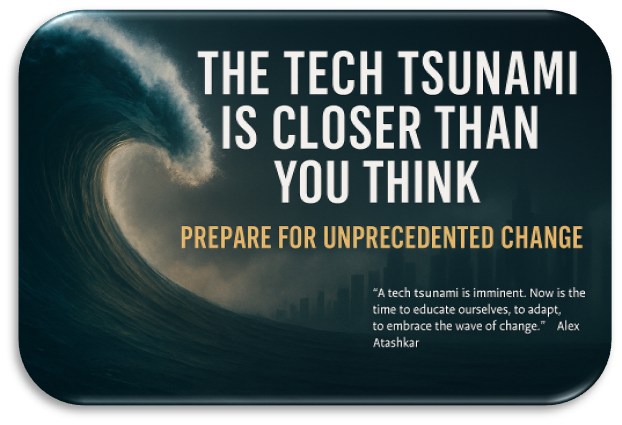
Tech’s Tsunami: Drowning in Disruption?
Introduction
We’re living in the age of the disruptor. Every day, it seems a new app, platform, or technology promises to revolutionize the way we live, work, and interact. It’s exciting, invigorating, and… a little overwhelming, right? It feels like we’re caught in a tech tsunami, constantly bombarded with waves of innovation. The question isn’t whether this disruption is happening – it undeniably is – but whether we’re equipped to navigate it. Are we learning to surf the waves, or are we slowly drowning beneath them?
Explanation of the Problem
This isn’t just about the latest gadgets. It’s about the fundamental shifts in industries, job markets, and even our personal relationships, all fueled by relentless technological advancement. Think about it: ten years ago, the idea of ordering groceries through an app, getting a ride from a stranger, or having entire libraries in your pocket was largely science fiction. Now, it’s just Tuesday.
But this rapid change isn’t without its challenges. The short-term impact is often felt as job displacement, skill gaps, and a general sense of unease. Workers are left wondering if their skills are still relevant, businesses are struggling to keep up with the pace of innovation, and individuals feel pressured to constantly learn and adapt. It’s a pressure cooker of anxiety, and it’s understandable why many feel like they’re drowning.
Looking at the long-term picture, the consequences become even more profound. We face potential widening of the wealth gap as those with tech skills thrive while others are left behind. The rise of automation threatens traditional industries, potentially leading to mass unemployment. Furthermore, the constant connectivity and information overload can contribute to mental health issues and social isolation. The digital divide, which separates those with access to technology and those without, risks becoming a chasm, exacerbating existing inequalities.
Solutions
So, what can we do? How do we avoid drowning in this tech tsunami and learn to ride the waves of change? The good news is, we aren’t helpless. There are practical steps we can take, both individually and collectively, to navigate this era of disruption.
Embrace Lifelong Learning:
The first and perhaps most crucial solution is to embrace a mindset of lifelong learning. This doesn’t mean going back to school for a degree, although that can be a viable option for some. It means actively seeking opportunities to acquire new skills and knowledge throughout your career.
- Online Courses & Platforms: Platforms like Coursera, edX, Udemy, and Skillshare offer a vast array of courses, often at affordable prices. Whether you want to learn coding, data analytics, digital marketing, or project management, there’s a course out there for you.
- Example: Sarah, a former retail worker, used online courses to learn digital marketing skills. Within a year, she landed a job as a social media manager for a local business.
- Micro-credentials & Bootcamps: These shorter, more focused programs allow you to quickly gain specific skills that are in demand. Coding bootcamps, for example, can equip you with the skills to become a junior developer in just a few months.
- Internal Training Programs: Many companies are investing in training programs to upskill and reskill their employees. Take advantage of these opportunities to learn new technologies and adapt to changing roles.
Develop Adaptability & Resilience:
Technical skills are important, but so are “soft skills” like adaptability, resilience, and critical thinking. These skills will enable you to navigate uncertainty and thrive in a rapidly changing environment.
- Embrace Change: Instead of resisting change, try to view it as an opportunity for growth and learning. Be open to new ideas and approaches, and don’t be afraid to experiment.
- Develop a Growth Mindset: A growth mindset is the belief that your abilities and intelligence can be developed through dedication and hard work. This mindset will help you persevere through challenges and learn from your mistakes.
- Build a Support Network: Surround yourself with people who support your goals and encourage you to learn and grow. Mentors, peers, and family members can provide valuable guidance and support.
Focus on Human Skills:
While technology is automating many routine tasks, it’s also creating new opportunities for humans to shine. Focus on developing skills that machines can’t easily replicate, such as:
- Creativity & Innovation: Think outside the box and come up with new ideas and solutions.
- Emotional Intelligence: Understand and manage your own emotions, and empathize with others.
- Complex Problem Solving: Analyze complex problems and develop effective solutions.
- Communication & Collaboration: Communicate effectively with others and work collaboratively in teams.
Advocate for Policy Changes:
Individual action is important, but we also need to advocate for policy changes that support workers and businesses in the digital age.
- Universal Basic Income (UBI): Explore the potential of UBI as a safety net for those who are displaced by automation.
- Skills-Based Education Reform: Reform the education system to focus on skills that are relevant to the modern workforce, such as critical thinking, problem-solving, and creativity.
- Investment in Infrastructure: Invest in broadband infrastructure to ensure that everyone has access to the internet and the opportunities it provides.
- Regulation of AI & Automation: Develop ethical guidelines and regulations to ensure that AI and automation are used responsibly and in a way that benefits society as a whole.
Embrace a Balanced Approach:
It’s easy to get caught up in the hype of new technologies, but it’s important to remember that technology is a tool, not an end in itself.
- Prioritize Well-being: Take breaks from technology to connect with nature, spend time with loved ones, and engage in activities that bring you joy.
- Be Mindful of Social Media: Be aware of the impact that social media can have on your mental health and well-being. Limit your time on social media and focus on building real-world connections.
- Seek Meaning and Purpose: Don’t let technology define your identity or your purpose in life. Find meaningful work and activities that align with your values and passions.
Alternative Approaches – Choose What Works For You:
There isn’t a one-size-fits-all solution. Here are a few alternative approaches to consider:
- The Niche Down Approach: Instead of trying to learn everything, focus on becoming an expert in a specific niche. This will make you more valuable and competitive in the job market.
- Example: Instead of becoming a generalist web developer, specialize in a specific framework like React or Angular.
- The Transferable Skills Approach: Identify skills that are transferable across different industries and focus on developing those skills. This will make you more adaptable and resilient to change.
- Example: Project management skills are valuable in almost any industry.
- The “Human-First” Approach: Focus on roles that require uniquely human skills, such as customer service, healthcare, or education. These roles are less likely to be automated in the near future.
Conclusion
The tech tsunami is undoubtedly disruptive, but it also presents incredible opportunities. By embracing lifelong learning, developing adaptability and resilience, focusing on human skills, and advocating for policy changes, we can learn to navigate this era of disruption and build a more equitable and prosperous future for all.
Don’t let the waves overwhelm you. Take control, learn to surf, and ride the tech tsunami to a brighter tomorrow. You have the power to shape your own future. Start today.