
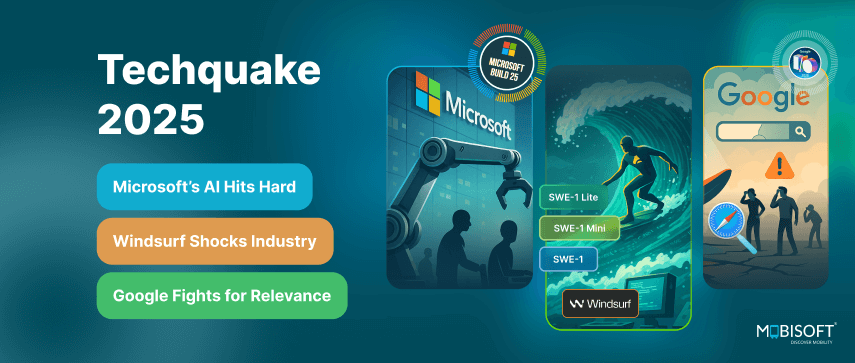
Techquake: What Shifts Today Will Shape Tomorrow
Introduction
Ever feel like the tech landscape is shifting beneath your feet? Like you’re standing on tectonic plates, waiting for the next big jolt? You’re not alone. We’re living through a “Techquake,” a period of intense and rapid technological change that’s reshaping industries, societies, and even our personal lives. This isn’t just about faster smartphones or smarter refrigerators. This is about fundamental shifts in how we work, communicate, and interact with the world. So, buckle up, because understanding these shifts today is crucial for navigating the future tomorrow.
The Rumbling Underneath: Understanding the Techquake’s Core Drivers
The Techquake isn’t a single event; it’s a confluence of powerful forces:
- Artificial Intelligence (AI) Ascendant: Forget sci-fi fantasies; AI is already here. From chatbots handling customer service to algorithms optimizing supply chains, AI is automating tasks, augmenting human capabilities, and creating entirely new possibilities.
- The Data Deluge: We’re generating data at an unprecedented rate. This “big data” is a goldmine of insights, but only if we can effectively collect, analyze, and interpret it.
- The Cloud Imperative: The cloud is no longer a buzzword; it’s the backbone of modern computing. Cloud-based services offer scalability, flexibility, and cost-effectiveness that traditional infrastructure simply can’t match.
- Connectivity Everywhere: 5G, Wi-Fi 6, and satellite internet are creating a world where connectivity is ubiquitous. This opens doors for new applications and services, particularly in areas like IoT (Internet of Things) and remote work.
- The Rise of the Metaverse: While still in its early stages, the metaverse represents a potential paradigm shift in how we interact with digital content and each other. Think immersive experiences, virtual economies, and entirely new forms of social interaction.
Short-Term Tremors: Immediate Impacts We’re Already Feeling
The Techquake’s impacts are already being felt across various sectors:
- Job Market Disruption: Automation is changing the skills required for many jobs. While some jobs will be eliminated, new ones will emerge, requiring workers to adapt and learn new skills.
- Example: A cashier’s role may evolve into managing self-checkout systems and assisting customers with digital payment options.
- Evolving Cybersecurity Threats: As our reliance on technology grows, so does our vulnerability to cyberattacks. Businesses and individuals must prioritize cybersecurity to protect their data and systems.
- Example: The rise in ransomware attacks targeting small businesses highlights the need for robust cybersecurity measures and employee training.
- The Democratization of Technology: Cloud-based services and open-source software are making advanced technologies more accessible to small businesses and individuals. This levels the playing field and fosters innovation.
- Example: A startup can now leverage cloud computing to build and scale a sophisticated application without investing in expensive infrastructure.
- Ethical Considerations: AI and other emerging technologies raise ethical questions about bias, privacy, and accountability. We need to develop frameworks for responsible technology development and deployment.
- Example: Facial recognition technology raises concerns about privacy and potential bias against certain demographic groups.
Long-Term Aftershocks: Shaping the Future We’ll Inhabit
Looking further down the road, the Techquake will have profound and lasting impacts:
- The Transformation of Education: Technology will play an increasingly important role in education, enabling personalized learning experiences and preparing students for the jobs of the future.
- Example: Virtual reality simulations can provide immersive learning experiences in fields like medicine and engineering.
- The Future of Work: Remote work and distributed teams will become more common, blurring the lines between work and personal life. This will require new management styles and communication tools.
- Example: Companies are adopting asynchronous communication tools to accommodate different time zones and work schedules.
- The Rise of the Smart City: Cities will become more intelligent and connected, using data and technology to improve efficiency, sustainability, and quality of life.
- Example: Smart traffic management systems can reduce congestion and improve air quality.
- The Metaverse’s Impact on Society: The metaverse has the potential to revolutionize social interaction, entertainment, and commerce. However, it also raises questions about identity, ownership, and regulation.
- Example: Virtual concerts and events are becoming increasingly popular, offering new ways for artists to connect with their fans.
Building Earthquake-Resistant Foundations: Strategies for Navigating the Techquake
So, how can we navigate this period of rapid change and ensure that we not only survive but thrive? Here are some practical solutions:
- Embrace Lifelong Learning: The skills that are valuable today may not be tomorrow. Commit to continuous learning and development to stay ahead of the curve.
- Example: Take online courses, attend industry conferences, and read books and articles to expand your knowledge.
- Alternative Approach: Consider pursuing micro-credentials or certifications in specific areas of technology.
- Develop Adaptability and Resilience: Be prepared to adapt to changing circumstances and bounce back from setbacks. This requires a growth mindset and a willingness to experiment.
- Example: When faced with a new challenge, break it down into smaller, manageable steps and focus on finding solutions.
- Alternative Approach: Practice mindfulness and other stress-reduction techniques to build resilience.
- Invest in Cybersecurity: Protect your data and systems from cyber threats by implementing robust security measures and training employees on cybersecurity best practices.
- Example: Use strong passwords, enable two-factor authentication, and regularly update your software.
- Alternative Approach: Consider hiring a cybersecurity consultant to assess your vulnerabilities and recommend solutions.
- Explore Emerging Technologies: Don’t be afraid to experiment with new technologies. Identify those that have the potential to benefit your business or career and start exploring them.
- Example: Set aside time each week to research emerging technologies and brainstorm how they could be applied to your work.
- Alternative Approach: Participate in hackathons or innovation challenges to gain hands-on experience with new technologies.
- Prioritize Ethical Considerations: As you develop and deploy new technologies, be mindful of the ethical implications. Strive to create solutions that are fair, transparent, and accountable.
- Example: Conduct ethical impact assessments to identify potential risks and mitigate them.
- Alternative Approach: Consult with ethicists or other experts to gain guidance on ethical decision-making.
Case Study: Netflix – From DVD Rentals to Streaming Giant
Netflix is a prime example of a company that has successfully navigated the Techquake. They started as a DVD rental service, but they recognized the potential of online streaming and pivoted their business model. They invested heavily in building their streaming platform and creating original content, which allowed them to become the dominant player in the streaming industry. This demonstrates the importance of adaptability and a willingness to embrace new technologies.
The Future is Being Written Now: Let’s Shape It Together
The Techquake is a powerful force, but it’s not something to fear. By understanding the underlying trends, anticipating the potential impacts, and taking proactive steps to adapt, we can not only navigate this period of change but also shape the future we want to inhabit. The future isn’t something that happens to us; it’s something we create. So, let’s embrace the challenge and work together to build a future that is innovative, equitable, and sustainable. The time to act is now. Start learning, experimenting, and building. The future is waiting, and it’s ready for you.